

Planet’s sharper Pelican-12 satellite reaches orbit with onboard AI and a data-relay test
Planet Labs says its second-generation Pelican-12 is in orbit after a SpaceX rideshare launch, with a 30 cm class camera goal, an NVIDIA computer and a relay test with SES.

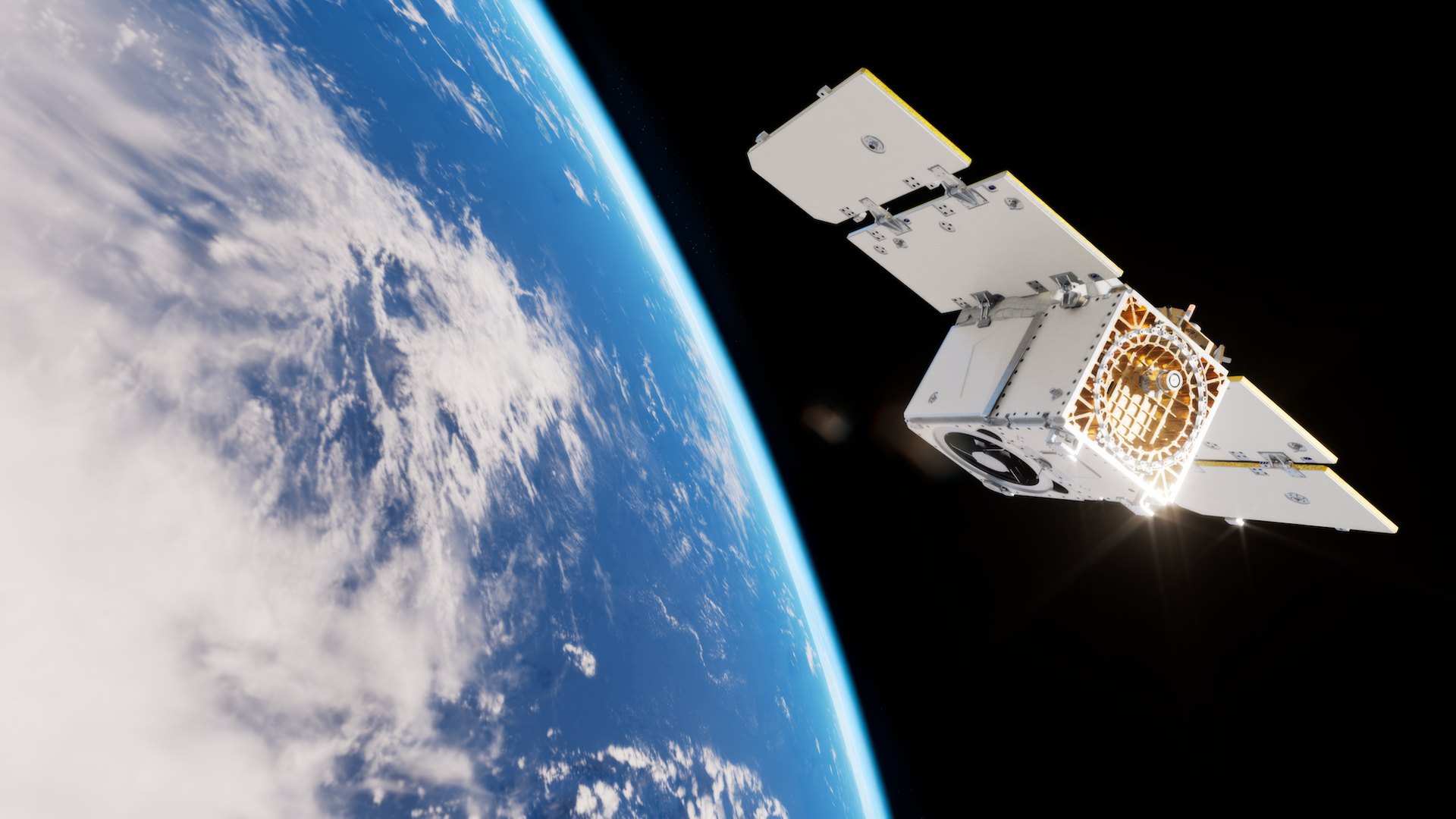
Planet Labs said Pelican-12, an updated second-generation high-resolution Earth-imaging satellite, has been launched on SpaceX’s Bandwagon-5 rideshare mission from Cape Canaveral, Florida. The company has made initial contact and is commissioning it.
A sharper camera and a computer on board
Pelican-12 is built to produce imagery in the “30 cm class”, meaning the smallest details it can pick out are roughly 30 centimeters across. Planet’s first-generation Pelicans are rated at 50 cm class. According to Planet, the new satellite also carries updated payload and communication systems informed by Pelican-11, the engineering pathfinder (a first-of-type craft flown to prove the design) launched in July.

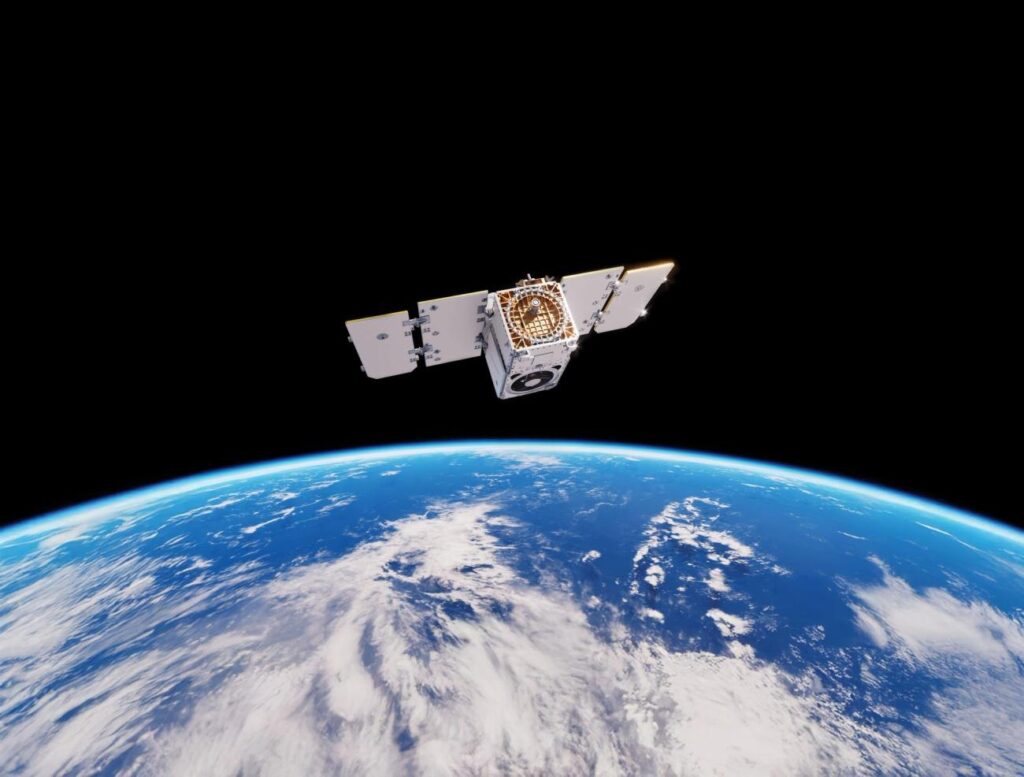
Planet says Pelican-12 carries an NVIDIA Jetson platform, a small computer that lets a satellite process data in orbit, for edge computing and on-orbit AI inference. That means software can analyze images on the spacecraft itself instead of waiting for them to reach the ground. Planet also describes the satellite as a test platform for technologies meant for future spacecraft.
The satellite additionally carries a prototype communication package for SES Space & Defense. It is meant to test sending imagery from one satellite to another, using SES’s O3b mPOWER satellites, as part of work on commercial data relay to cut the delay in delivering images. Today, an imaging satellite generally has to wait until it passes over a ground station to send its pictures down; a relay in a higher orbit could shorten that wait.

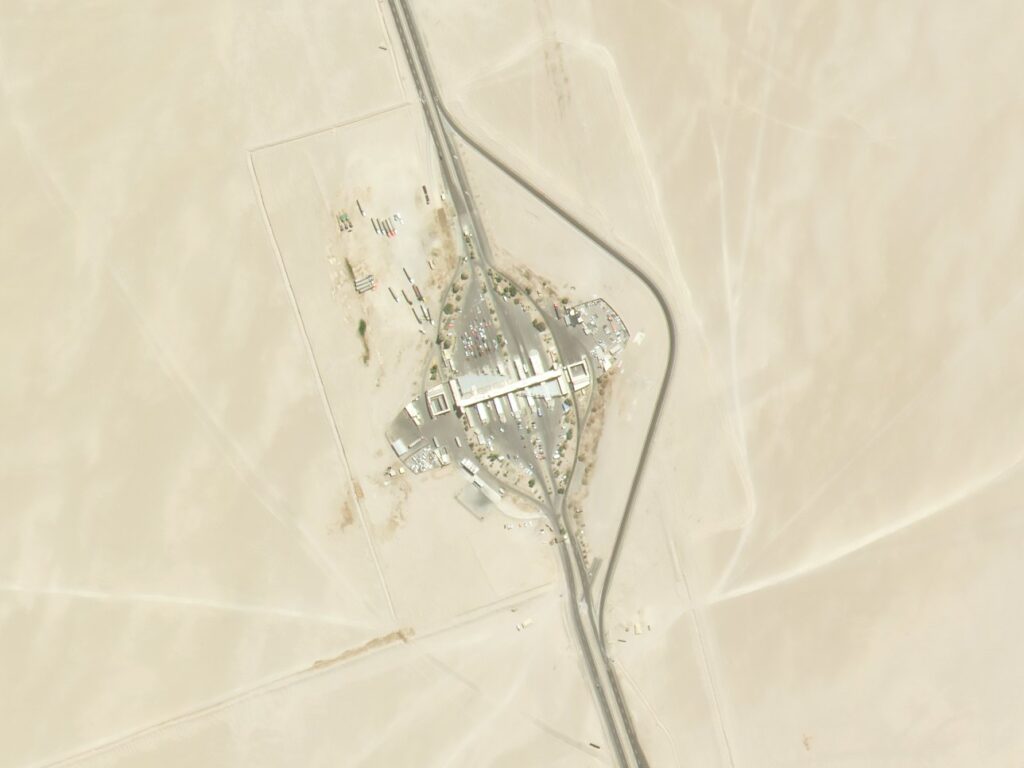
Planet says Pelican-12 was reached just over three months after Pelican-11, and is the fifth Pelican launched in 2026. It is the 25th Planet satellite sent to orbit this year, across four launches. The company is lowering the satellite’s orbital altitude as part of commissioning, and says production is due to start at its expanded Berlin facility this year, with more Pelican launches planned for 2027.
What a sharper, faster Pelican changes for customers
Planet’s Pelican page says the constellation revisits places multiple times per day, and lists geolocation accuracy of under 10 meters (CE90, a measure meaning 90 percent of points fall within that distance) when Planet’s ground control points are used. Those figures are listed for the constellation overall, and the page notes the 30 cm class and a 6 km swath (the width of ground seen in one pass) as planned for Gen 2. The Gen 1 swath is 8 km, so the newer satellite trades some width for sharper detail.
For customers who monitor ports, airfields, infrastructure or disaster areas, the practical gains would be finer detail in each picture and, if the SES relay proves out, faster delivery. The Pelican page lists seven sensor bands, from panchromatic (a single wide-band black-and-white channel) through red edge and near-infrared, which support vegetation and land-use analysis as well as simple pictures.
Bandwagon-5 was a dedicated mid-inclination rideshare, which lets many small operators share one Falcon 9. Exolaunch, the integrator for the mission, says it carries 23 satellites. For upcoming flights, see the rocket launch schedule.
Still to come: Commissioning and the relay test
Planet has not published a date for first images from Pelican-12, nor a target orbit altitude. The release says only that initial contact has been made and that the satellite is lowering its orbit. Whether the 30 cm class goal and the satellite-to-satellite downlink work as intended will become clear as commissioning proceeds.