A year in a 3D-printed Mars habitat: NASA’s CHAPEA crew nears the exit
Four volunteers have lived as if on Mars for 365 days inside a Houston habitat. They leave on Oct. 31, and NASA's scientists then start sifting the health and performance data.

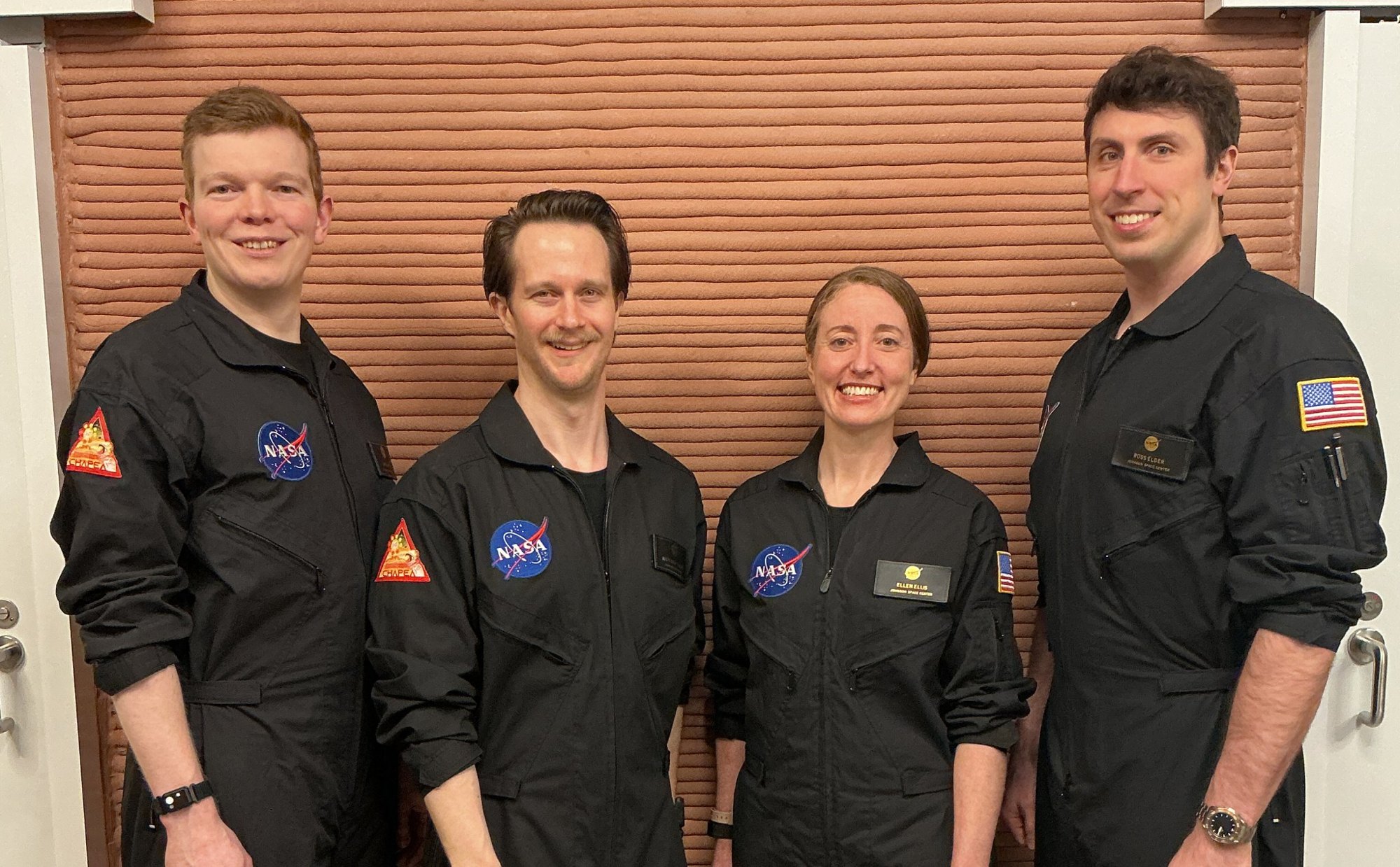
Four volunteers in NASA’s simulated Mars mission have now spent a full year living and working in a sealed habitat at Johnson Space Center in Houston, NASA said. They will walk out on Saturday, Oct. 31.
Crops, spacesuits and a 45-minute lag
The project is called CHAPEA, short for Crew Health and Performance Exploration Analog. An analog is a ground-based stand-in for a real mission, used to test how people cope before anyone flies. The Mission 2 crew entered their 1,700-square-foot, 3D-printed habitat on Oct. 19, 2025. The planned mission length is 378 days.

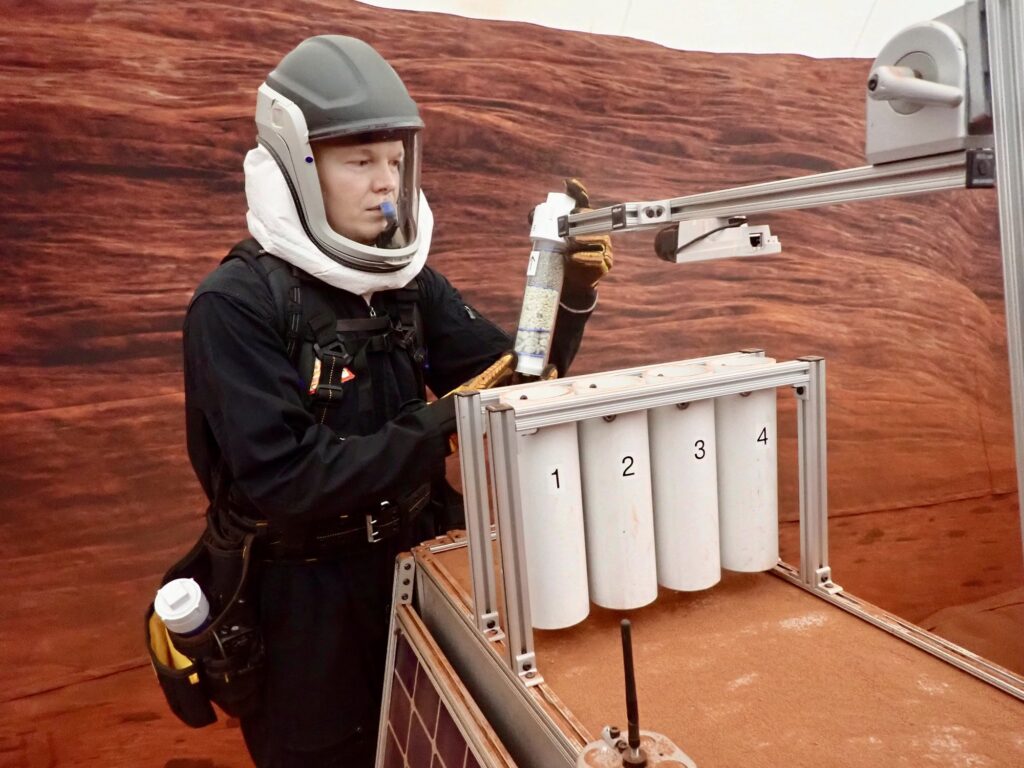
For 365 days they have operated as though they were on Mars. NASA lists the work: growing crops, managing limited resources, dealing with communication delays and carrying out suited extravehicular activities, the simulated spacewalks, on a mock Martian surface outside.
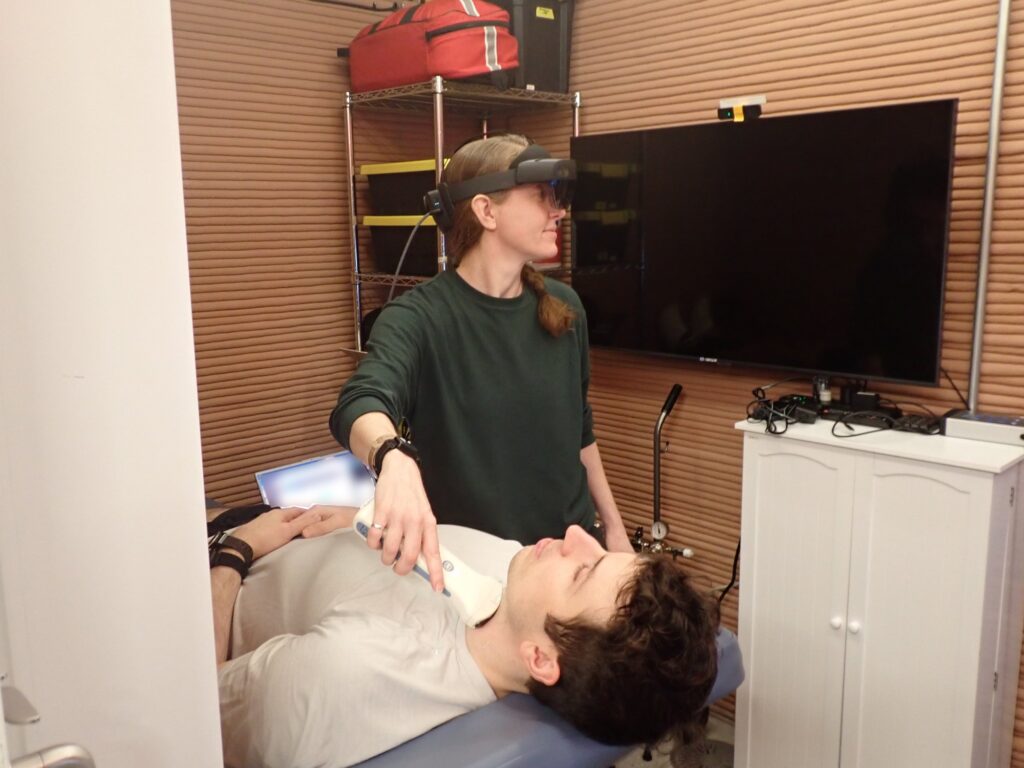
The crew are Ross Elder, commander; Ellen Ellis, medical officer; Matthew Montgomery, science officer; and James Spicer, flight engineer. Messages to and from real Mars can take up to 45 minutes each way, and NASA says it built that kind of delay into the exercise. The crew have only been able to speak to their families by email.
“We are extremely proud of the crew for their commitment and achievements over the last year on such a fast-paced, highly demanding mission,”
said Grace Douglas, CHAPEA principal investigator.

What happens after the door opens
Once they leave, the crew begin two weeks of evaluations and debriefs with NASA scientists. The agency says the aim is to learn how crews adapt to the routines of long-duration missions, and what future explorers will need to stay healthy, productive and connected far from Earth.
NASA names two areas where the data could help. One is how limited food and exercise systems affect a crew’s ability to reach mission goals, including surface spacewalks. The other is how to build decision-making support tools that help a crew work on its own when a reply from Earth is a long way off.
Michael Stenger, chief scientist of NASA’s Human Research Program, said the mission is teaching the agency about requirements for year-long missions, including medical and psychological care across communication delays. He said the findings can be carried over to “Moon Base and beyond.” The exit ceremony will be streamed live on NASA’s YouTube channel.
The second year-long run in a row
This is the second crew to do the full-length experiment. According to NASA’s CHAPEA page, Mission 1 began on June 25, 2023, and ended on July 6, 2024, with a crew of four: Anca Selariu, Ross Brockwell, Kelly Haston and Nathan Jones.
Having two crews matters for the science. With only a handful of people in each run, one team’s results are hard to generalize. A second set of volunteers working through the same kind of schedule gives researchers something to compare against.
The analog also has clear limits. The crew are in Houston, so a real emergency can still be answered quickly, and they do not face Mars’ radiation, gravity or distance. What the habitat can test is the human side: isolation, confinement, limited supplies and slow communication. For background on the planet itself, see our Mars facts guide.
NASA has not yet released any results from the health and performance measurements. The agency said its science teams prepared to process the data around the one-year mark, and the post-mission evaluations will add to it after the crew exit.