Hunter’s Moon 2026: When October’s full Moon rises on October 26 and how to see it
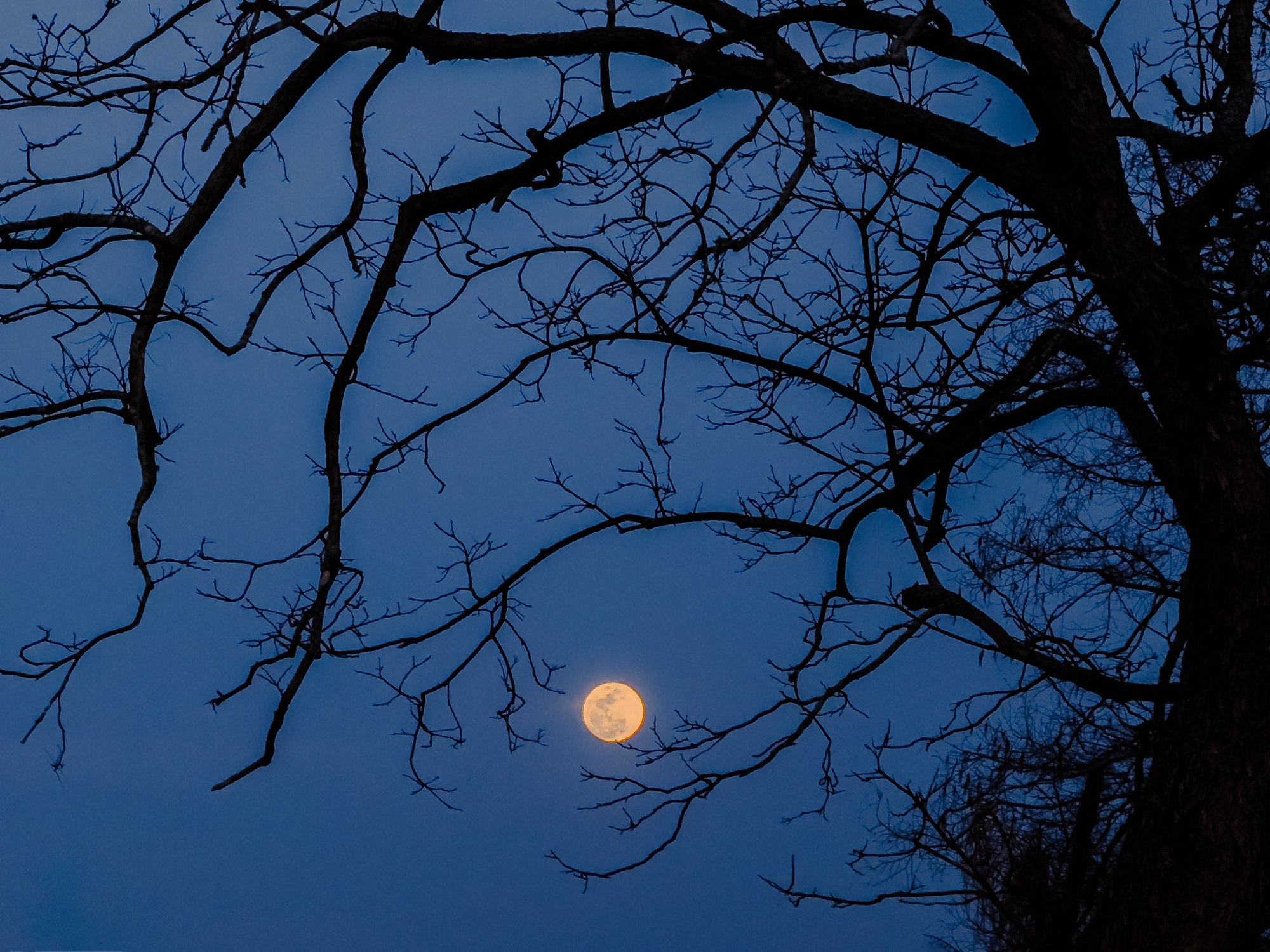
The Hunter's Moon is full on Monday, October 26, 2026, and it looks round for about three nights, with the best moonrise views on October 25 and 26.

Dates and facts checked on the official pages on October 21, 2026.
October’s full Moon, called the Hunter’s Moon, falls on Monday, October 26, 2026, according to NASA. Its fullest point comes in the early hours of that date, around 04:00 UTC (midnight on the US East Coast), so the nights of October 25 and 26 are the best for watching it rise at sunset.
A full Moon rises around the time the Sun sets, so the best view comes in the first hour after dusk, when the Moon sits low over the eastern horizon. Exact rise times depend on your town, and the section on checking tonight’s Moon below explains where to get yours.

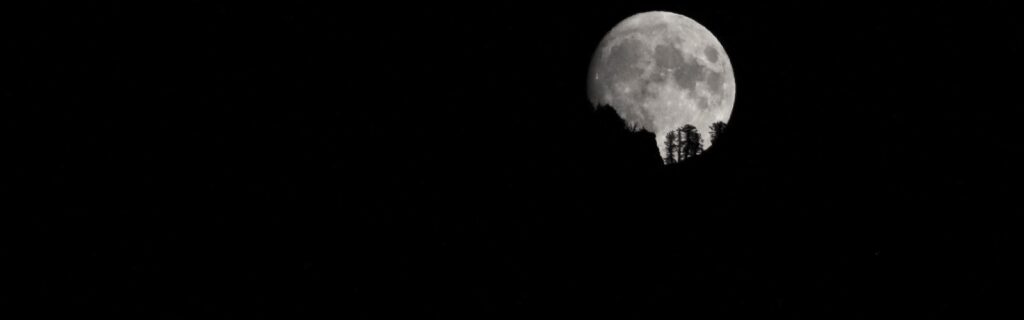
The Hunter’s Moon is full early on October 26, 2026
A full Moon happens when the Moon sits on the opposite side of Earth from the Sun, so we see its fully sunlit face. NASA describes it simply: the Moon is opposite the Sun as viewed from Earth, and it rises around sunset and sets around sunrise.
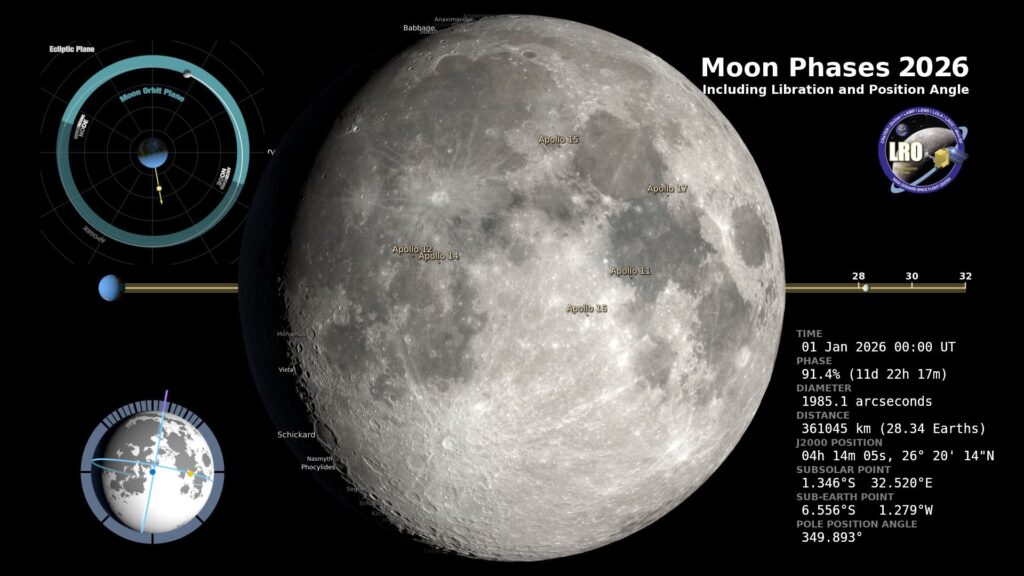
NASA’s hourly Moon data for 2026 shows how gradual the change is. It lists the share of the Moon’s disk that is lit, and in October that share peaks at 99.84 percent between 04:00 and 05:00 UTC on October 26. It is still above 99.7 percent for the whole of October 25 evening in the Americas, so the Moon looks full to the eye on both nights.

| Date (UTC) | Moon time (UTC) | Share of the Moon lit | What you see |
|---|---|---|---|
| October 24 | 12:00 | 96.3 percent | Slightly flattened on the left edge |
| October 25 | 23:00 | 99.8 percent | Looks full at moonrise in the Americas |
| October 26 | 04:00 | 99.84 percent | Fullest point of the month |
| October 26 | 23:00 | 99.0 percent | Still looks full at moonrise |
| October 28 | 12:00 | 92.4 percent | A noticeable gibbous Moon |
Figures from NASA’s Scientific Visualization Studio, Moon Phase and Libration 2026, checked October 21, 2026.
A gibbous Moon is one that is more than half lit but not yet full. By Halloween, NASA says the Moon will be waning gibbous, meaning it is past full and shrinking in light each night.
Moonrise comes near sunset, so the first hour after dusk is the time to look
Near full, the Moon climbs the eastern sky as the Sun drops in the west. The simplest plan is to find a spot with a clear view east, such as a field, a roof or a shoreline, and arrive about 15 minutes before local sunset.
- Look up your local sunset time and your local moonrise time for October 25 and 26.
- Face roughly east (the Sun sets in the west, so turn your back to it).
- Watch the horizon for a glow, then a bright edge, as the Moon clears trees and buildings.
- Return an hour later: the Moon will have climbed and turned from orange to pale yellow.
Because the Moon is close to its fullest on both evenings, cloud on one night does not ruin the event. If October 25 is cloudy, October 26 is nearly as good.

How to check tonight’s Moon and exact moonrise for your town
Moonrise changes by place and by date, so a single time cannot be right for everyone. For the current phase, the share of the Moon lit and moonrise and moonset for your location, use tonight’s Moon phase. The US Naval Observatory and NASA also publish phase and rise data for any place.
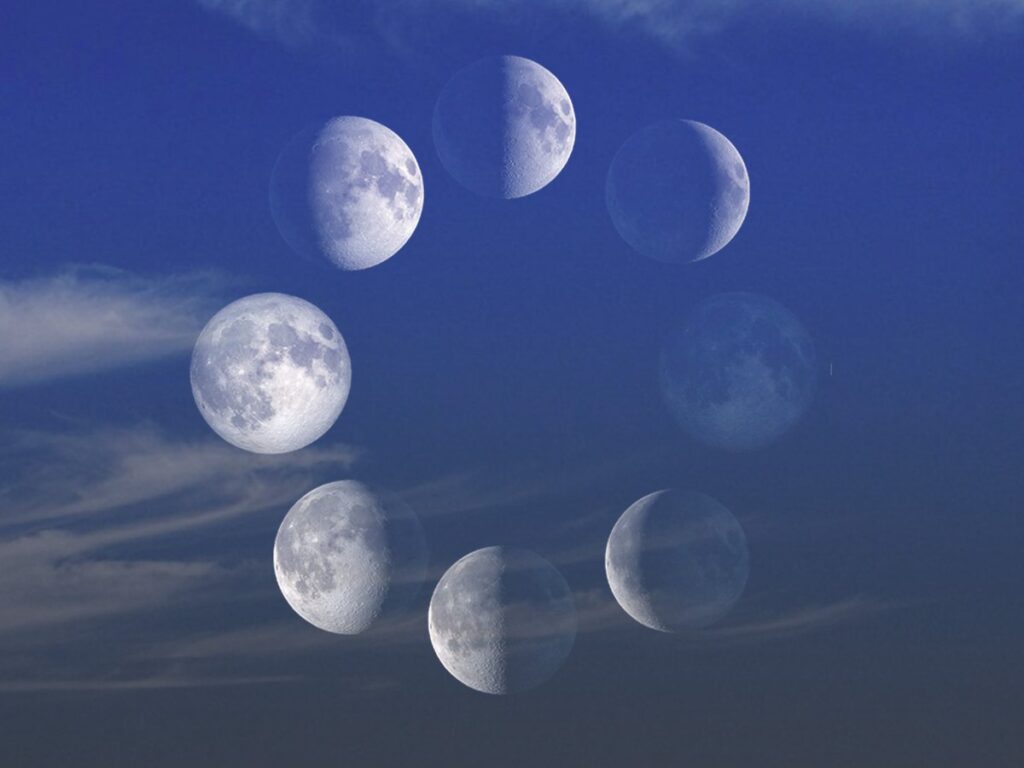
NASA’s Moon Phases page explains that the cycle of eight phases repeats roughly every 29.5 days. The Moon itself takes about 27.3 days to orbit Earth, and the extra two days exist because Earth moves around the Sun while the Moon circles us, so the Moon has to travel a little farther to line up with the Sun again.
NASA’s hourly data also gives the next fixed points: the Moon’s lit share peaks again around November 24, 2026, and the September full Moon (the Harvest Moon) peaked around September 26.
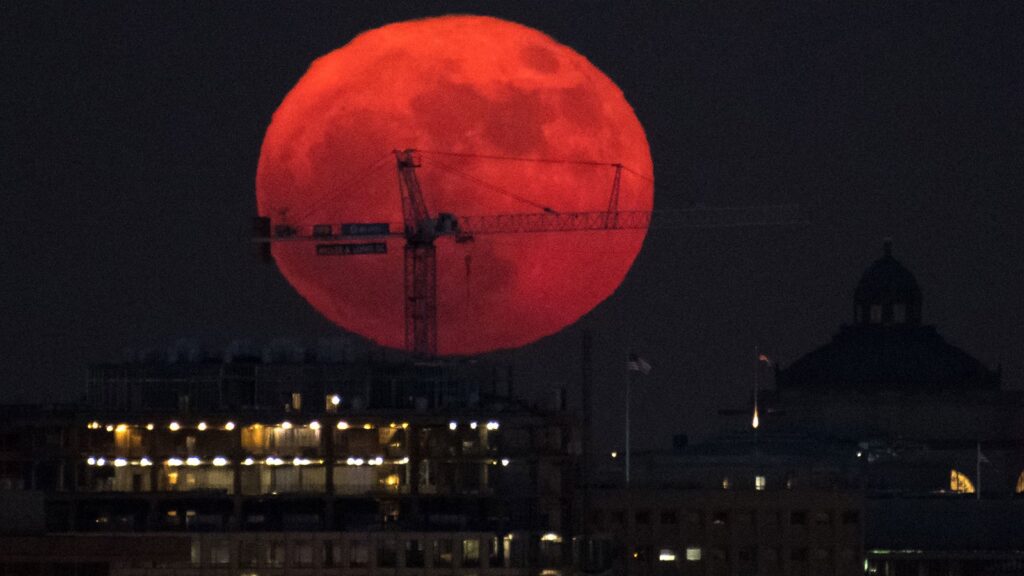
The Moon looks orange at moonrise because its light crosses more air
Many people look up near moonrise and ask why the Moon is orange. NASA explains that a Moon near the horizon tends to have a more yellow or orange hue than when it is high overhead. Its light has to travel through a longer stretch of the atmosphere, which scatters the shorter blue wavelengths away and leaves the longer red and orange ones. This is the same effect that reddens sunsets.
Dust, smoke and haze can deepen the color. NASA Earth Observatory notes that clouds or dust in the air can make the Moon look redder, and that fine particles lifted high by a major volcanic eruption can push it toward an intense red.
A low Moon also looks huge. NASA calls this a genuine illusion: photographs show the Moon is the same width near the horizon as high in the sky. To test it, hold a small coin at arm’s length when the Moon is low and again when it is high, and compare how much of the Moon the coin covers.
This Moon is on its way to its closest approach of the month
The Moon’s orbit is slightly oval, so its distance from Earth changes through the month. According to NASA’s data, the Moon is 368,901 kilometers (about 229,200 miles) away at the October 26 peak. It then keeps approaching and reaches its nearest point of the month, 364,387 kilometers (about 226,400 miles), around 18:00 UTC on October 28.
The farthest point this month came on October 16 at 404,680 kilometers (about 251,450 miles). The gap between the two is roughly 40,000 kilometers, which is why a Moon near its closest point looks a little bigger and brighter than one near its farthest. The difference is real but subtle, and is hard to notice without comparing photographs taken with the same lens.
Why October’s full Moon is called the Hunter’s Moon
NASA says the Hunter’s Moon is the name some traditions give to October’s full Moon, tied to hunters using bright moonlight in autumn once the fields were bare and daylight faded. It follows the Harvest Moon, the full Moon nearest the September equinox. For 2026, the Harvest Moon was in late September.
NASA also notes that Native American names for the full Moons were first published in the Maine Farmer’s Almanac in the 1930s, and that various tribes linked this Moon to falling autumn leaves and to deer and other animals fattening up for winter. Other names for it include the Travel Moon, the Dying Grass Moon and the Sanguine or Blood Moon. Note that this Blood Moon is a folk name for October’s full Moon, not a lunar eclipse. NASA also records that the earliest use of the term Hunter’s Moon cited in the Oxford English Dictionary dates to 1710.
The Moon also affects other October sky events
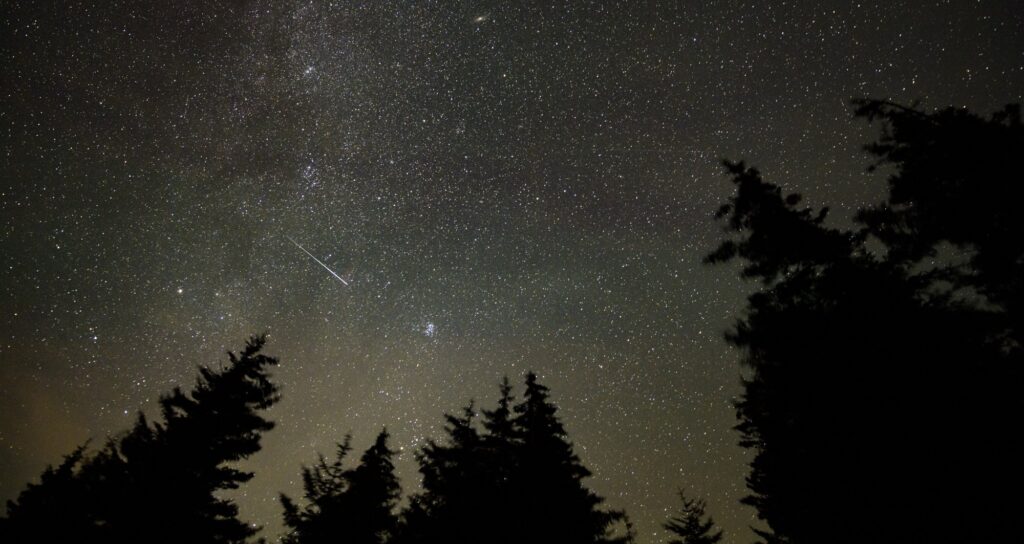
Bright moonlight washes out faint sights. NASA’s October sky notes say the Orionid meteor shower peaks October 21 and that the waxing gibbous Moon may wash out fainter streaks until it sets around 3 a.m. local time. Our guide to the Orionid meteor shower peak and how the Moon affects it covers the best hours, and the meteor shower calendar through August 2027 shows which later peaks are better placed. Around October 26, the sky is a poor time for faint meteors and deep-sky targets, and a good time for the Moon itself, which is a fine target for binoculars.
Common questions
When is the full Moon in October 2026?
The full Moon is on Monday, October 26, 2026, according to NASA. NASA’s hourly data shows the Moon at its brightest between 04:00 and 05:00 UTC that day, which is around midnight on the US East Coast. The evening of October 25 looks full as well.
What time does the Moon rise tonight?
Around a full Moon, moonrise falls close to sunset, but the minute depends on your location. Check a live page such as tonight’s Moon phase, or NASA and US Naval Observatory tools, for your own town, because a time printed for one city is wrong a few hundred miles away.
Why is the Moon orange tonight?
NASA says a low Moon looks more yellow or orange than a high one, because its light crosses more atmosphere and the blue light is scattered away. Haze, smoke and dust can deepen the color. By the time the Moon is high in the sky, it usually turns pale yellow or white.
When was the Moon landing?
Apollo 11 landed on the Moon on July 20, 1969, according to NASA. Neil Armstrong was the first person to walk on its surface and Buzz Aldrin the second.
What are the names of the full Moons?
Full Moon names such as the Harvest Moon, Hunter’s Moon, Travel Moon and Dying Grass Moon are traditional and seasonal, not scientific terms. NASA notes that many of the Native American names were first published in the Maine Farmer’s Almanac in the 1930s.