Comets probably did not seed life on Earth, Cambridge study finds
Cambridge researchers say comets probably did not deliver the molecules of life: they strike too fast and too steeply for fragile organic molecules to survive.

A team at the University of Cambridge has concluded that comets were an unlikely way for the building blocks of life to reach the young Earth. Computer modelling in a Cambridge announcement shows comets arrive too fast and too steeply for fragile molecules to survive.
The idea of a comet delivery, and where the modelling cuts it down
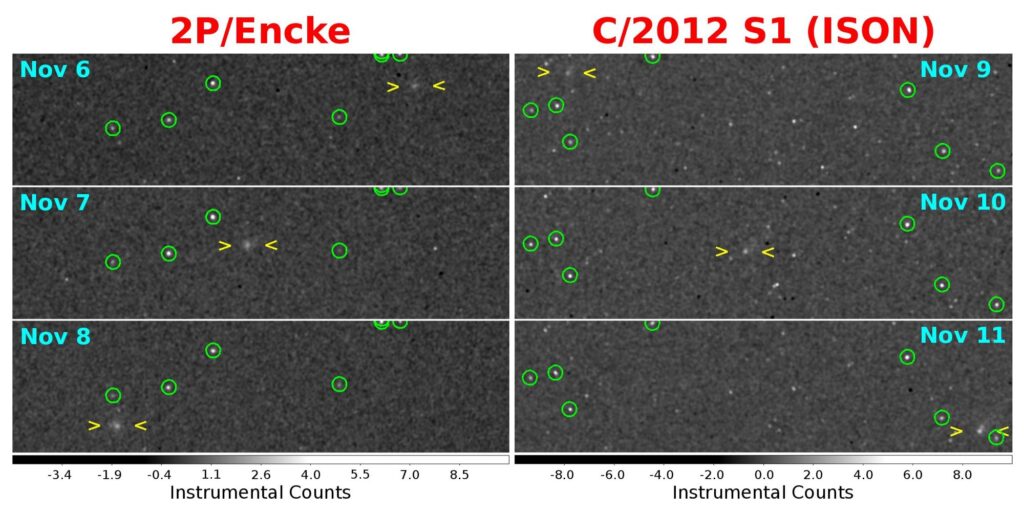
For decades, one proposal for the origin of life has been that comets, which are icy bodies rich in carbon-based chemistry, carried the molecular ingredients of life to the early Earth. The study, published in Scientific Reports under the title “Cometary impacts an unlikely pathway towards the origins of life on Earth”, tests whether that is physically plausible. Its lead author is Dr Richard Anslow of the Institute of Astronomy at Cambridge.

The team modelled what happens when a comet hits an atmosphere. Their result is that comets travel too fast, and strike at too sharp an angle, for delicate organic molecules to survive the entry. Most of the material would be vaporized on impact.
The researchers focused on hydrogen cyanide (HCN), a simple molecule often found in comets in our Solar System. It counts as a prebiotic molecule, meaning a chemical that could be a starting point for the more complex chemistry that leads to life. Even in cases where some HCN survived the impact, impacts that delivered a useful amount of it were extremely rare.

A window of about 500 million years, with at most a handful of chances
Timing makes the picture worse. According to the Cambridge release, comet impacts on Earth fell off quickly during the planet’s first 500 million years, so the early Earth had at most a handful of opportunities for a delivery of HCN. Anslow said:
It’s kind of a romantic idea, but our results suggest it’s highly unlikely.
He added that it would really have to be “a one-in-a-million occurrence”. The team therefore describes any comet delivery as, at best, a one-off fluke rather than a steady supply.
Mars was considered too. Because the planet is smaller and has a thinner atmosphere, it might be a slightly better target, but the researchers still judge a comet delivery there highly unlikely.
Why comets looked promising, and what the numbers say about the alternatives
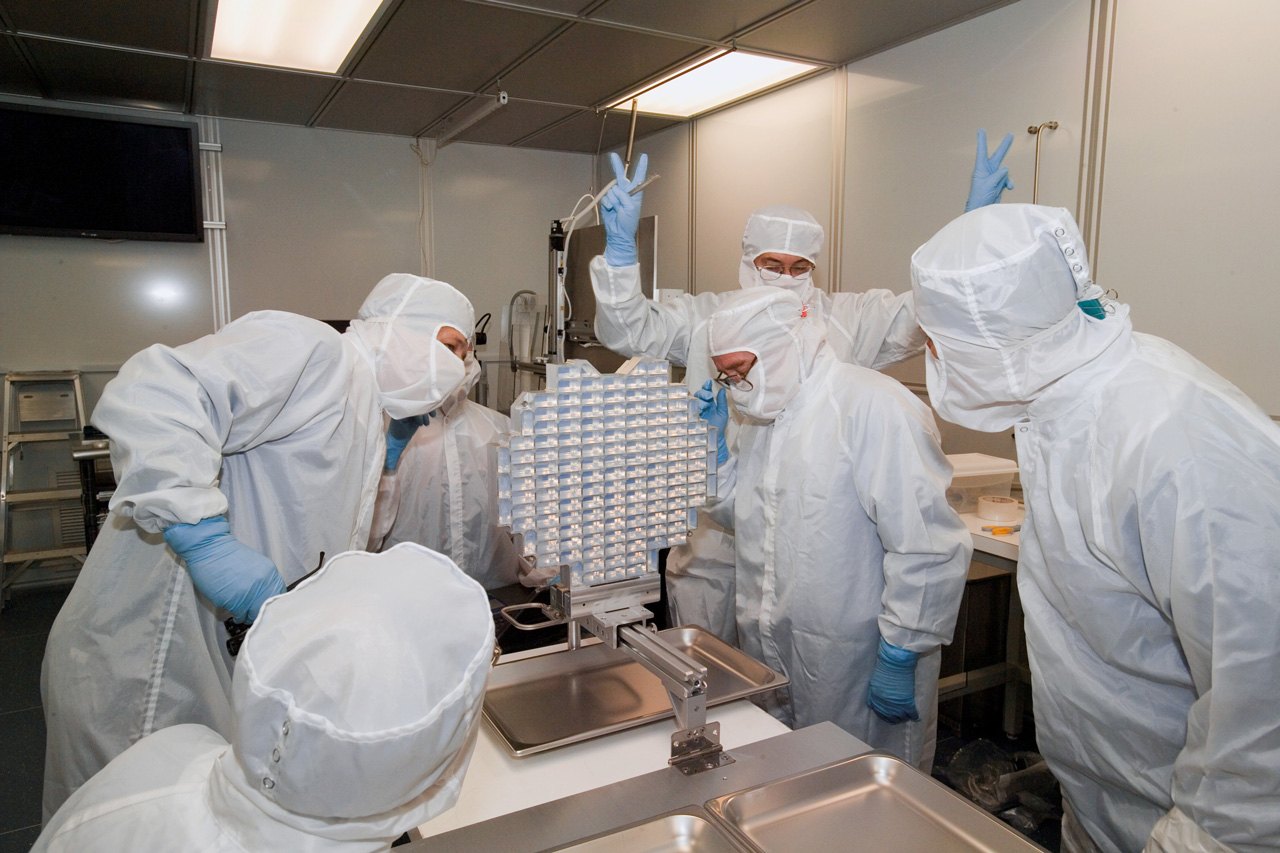
The comet idea has real evidence behind it, which is why this result matters. Comets do carry organic material. NASA’s Stardust spacecraft flew past Comet Wild 2 on Jan. 2, 2004, at a distance of about 155 miles (250 km), and its sample capsule landed on Jan. 15, 2006, according to NASA. The mission returned more than 10,000 particles larger than 1 micrometer, and NASA says analysis of the samples found a wide range of organic compounds.
The Cambridge result does not dispute that comets contain such molecules. It addresses a different question: whether the molecules could get from a comet to the ground in usable form and in useful amounts. Carrying organics through space and keeping them intact through an impact are separate problems, and the modelling suggests the second one is the obstacle.
The team points to two likelier sources instead. One is asteroid impacts, which were far more frequent than comet impacts in the early Solar System. The other is chemistry taking place on Earth itself. The same logic of reliable supply versus rare luck is why the comet route looks weak by comparison.
The work could also guide the hunt for life elsewhere. The researchers say it may help identify planetary systems where “bouncing” comets, ones that skim an atmosphere rather than plunging in, could occur. That builds on a 2023 study by the same group. On the question of origins closer to home, our earlier article on how Earth and other worlds got their water covers a related puzzle about what the young planet inherited.
The research was funded by the Royal Society, the Leverhulme Centre for Life in the Universe, and the Science and Technology Facilities Council, part of UK Research and Innovation. The paper’s DOI is 10.1038/s41598-026-74214-y.