After 378 days in a Mars habitat, four volunteers step outside in Houston
NASA's second yearlong Mars simulation ended on Oct. 31, with four volunteers leaving a 3D-printed habitat in Houston after a year of delayed communications and tightly rationed supplies.

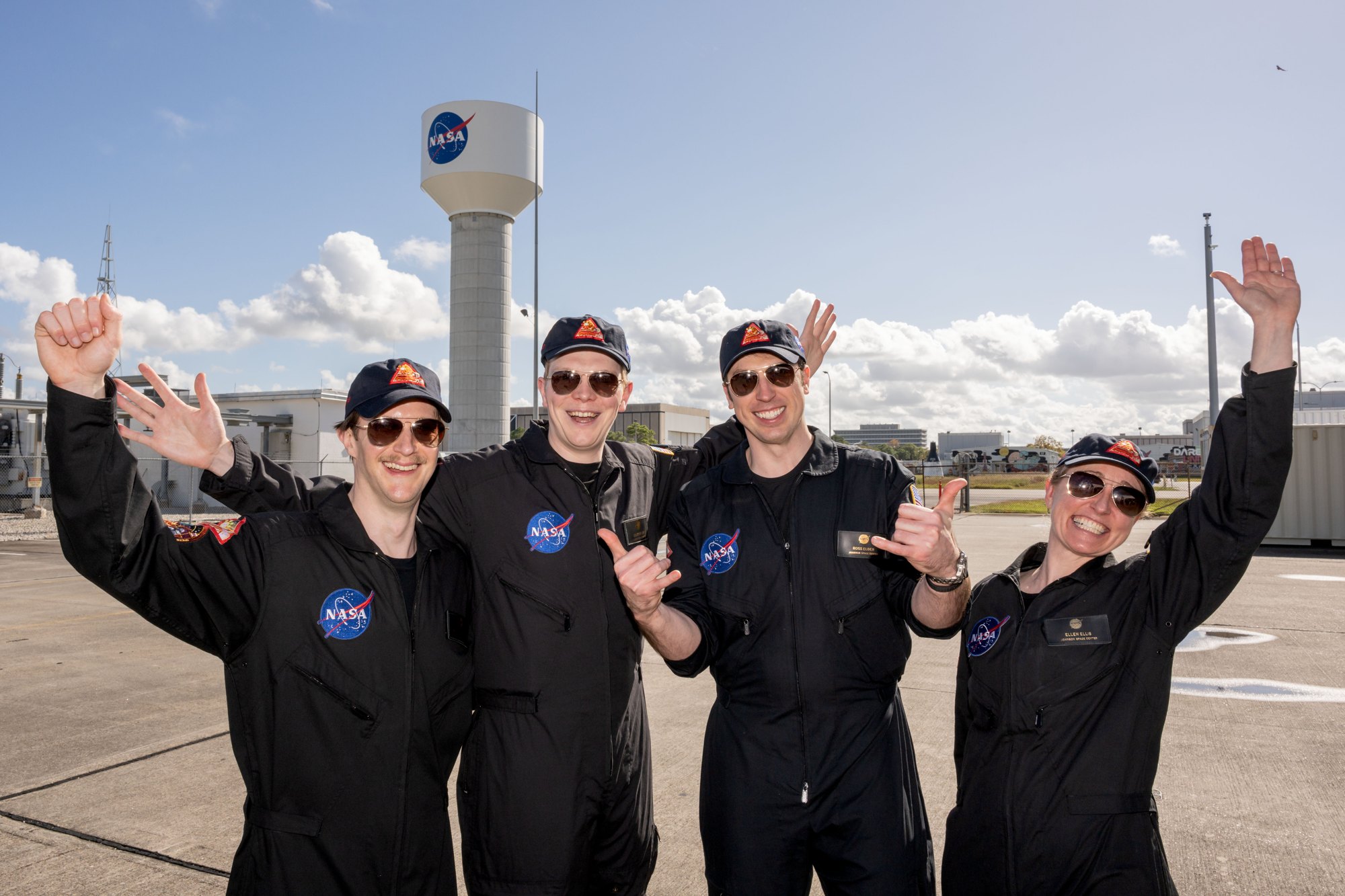
Four research volunteers left NASA’s Mars Dune Alpha habitat in Houston on Oct. 31 after 378 days inside, ending the agency’s second yearlong Mars surface simulation, NASA said.
The crew of Ross Elder, Ellen Ellis, James Spicer and Matthew Montgomery moved into the 3D-printed habitat, which covers about 1,700 square feet, at Johnson Space Center on Oct. 19, 2025. The study is called CHAPEA, short for Crew Health and Performance Exploration Analog. An analog is a ground-based stand-in for a real mission, used to learn how people cope before anyone flies.

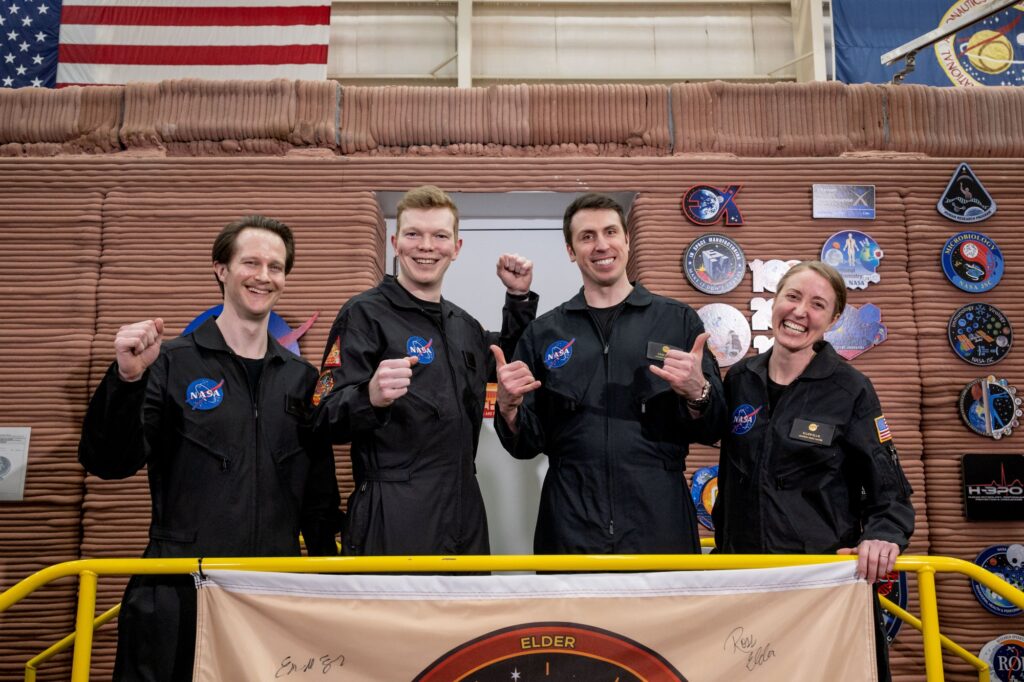
A year of Marswalks, rovers and rationed supplies
The volunteers had no windows, no sounds from outside and no real-time calls with family and friends. Messages were delayed by up to 22 minutes each way, imitating the lag between Earth and Mars. Their routine included simulated Marswalks, robotic operations, habitat upkeep, exercise and growing crops, while ground teams gathered health and performance data.
Elder, the commander and a former U.S. Air Force experimental test pilot, said Marswalks and robotic exploration felt “uncannily similar” to flying. Working indoors, the crew steered a drone and a rover by remote control to scout terrain and pick out or gather rocks. Suiting up, running airlock procedures and walking long distances took stamina, so Elder stressed nutrition, exercise and rest.

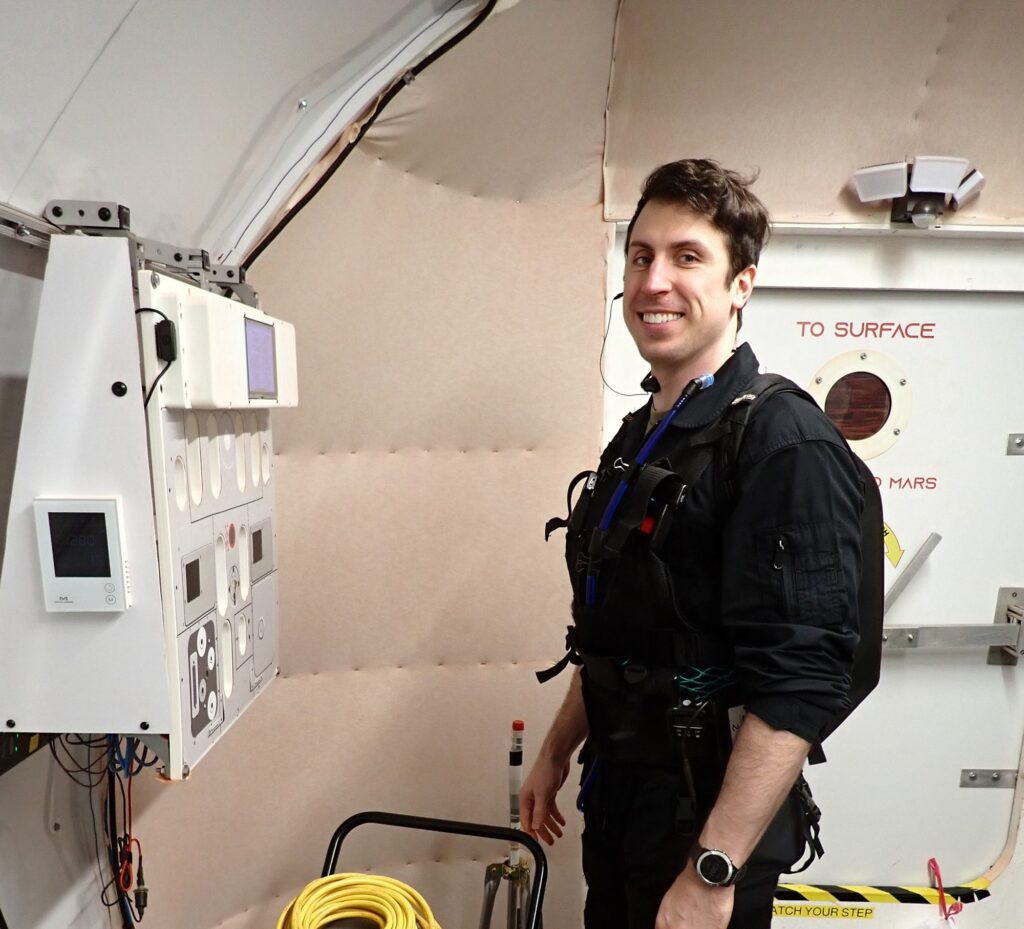
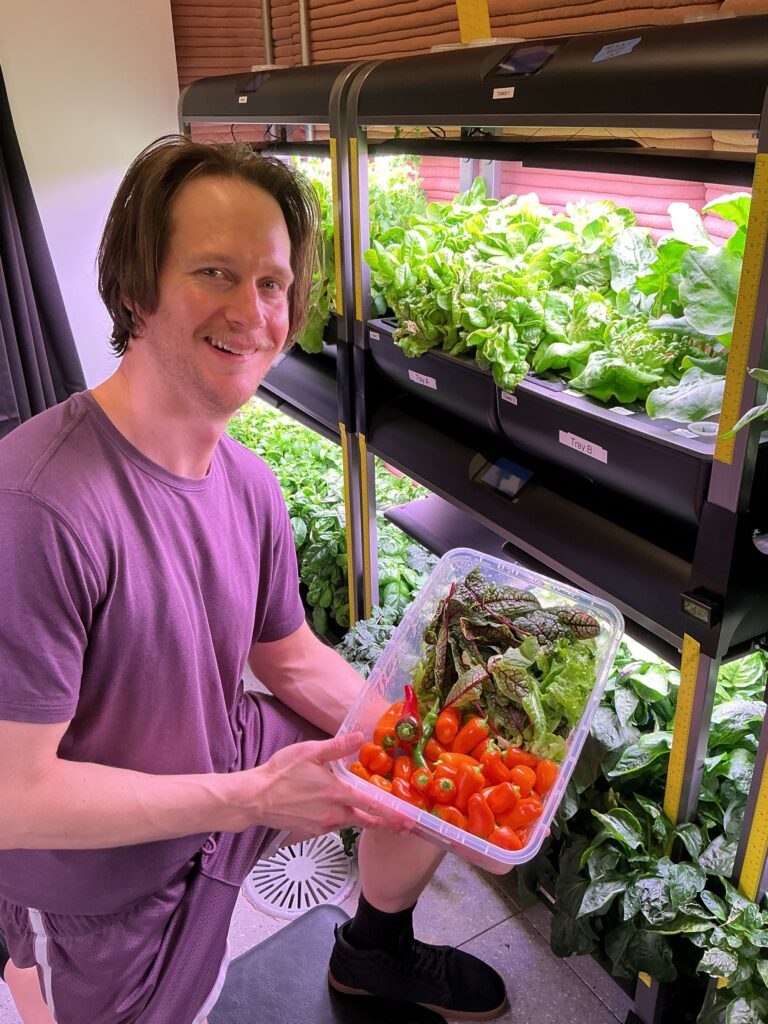
Ellis, a U.S. Space Force officer, served as medical officer and helped organize the collection of biological samples for the health research. Spicer, the flight engineer, kept systems running and likened the year to life on a submarine, where scarce supplies shape every decision. The crew tracked everything from dish soap to respirator filters and watched food and water closely. Montgomery, the science officer, helped set up the habitat’s 3D printing, ran a seed-germination test using simulated Martian soil alongside a control, and harvested vegetables from the hydroponic crop system.
Ellis said most days she did not feel isolated, because she leaned on three teammates every day. Her main conclusion was that a Mars crew depends on a tightly coordinated team on the ground.

What the world did while they were inside
NASA astronaut Jack Hathaway set the year in context at the exit ceremony. During the simulation he flew a 237-day mission aboard the International Space Station and came home. Over the same months, the Artemis II astronauts looped past the Moon and traveled farther from Earth than any people before them.
Spicer told his crewmates they had made the year feel like a joy rather than a chore. Johnson Director Vanessa Wyche called the work preparation for exploration beyond Earth, including future missions to the Moon and, one day, Mars.
Two weeks of debriefs, and what the data can and cannot settle
The volunteers now face two weeks of medical evaluations and debriefs, which will let researchers read the data next to the crew’s own accounts. CHAPEA builds on the first mission, which ended July 6, 2024.
Grace Douglas, the principal investigator, who leads the science, said the results will help NASA balance risks to crew health and performance against what a mission can afford, such as crew time, communication capacity and the design of food and water systems. Sara Whiting, the project scientist, said the data arrives as NASA plans life at the Moon Base near the lunar South Pole: “This is really the now moment for this kind of data.”
That timing shows in NASA’s recent announcements. The agency has opened applications for its next astronaut class, aimed at the Moon Base, and has lined up eight Moon lander firms for $10 billion under its CLPS 2 plans. Findings on how a small crew handles food, water and workload feed into the planning for whoever eventually lives there.
The open questions are sizable. NASA has not yet said what the data show, and the debriefs that interpret them are only starting. Four volunteers are a small group, and a simulated delay on Earth is not an actual distance from home. Our earlier report from the final weeks of the stay covers the run-up to the exit.