Galileo’s next satellites get a signal ‘brain’ that can be rewritten in orbit
ESA says the first signal module for Galileo's second-generation satellites passed testing at Airbus and can be rewritten after launch to produce new signals.
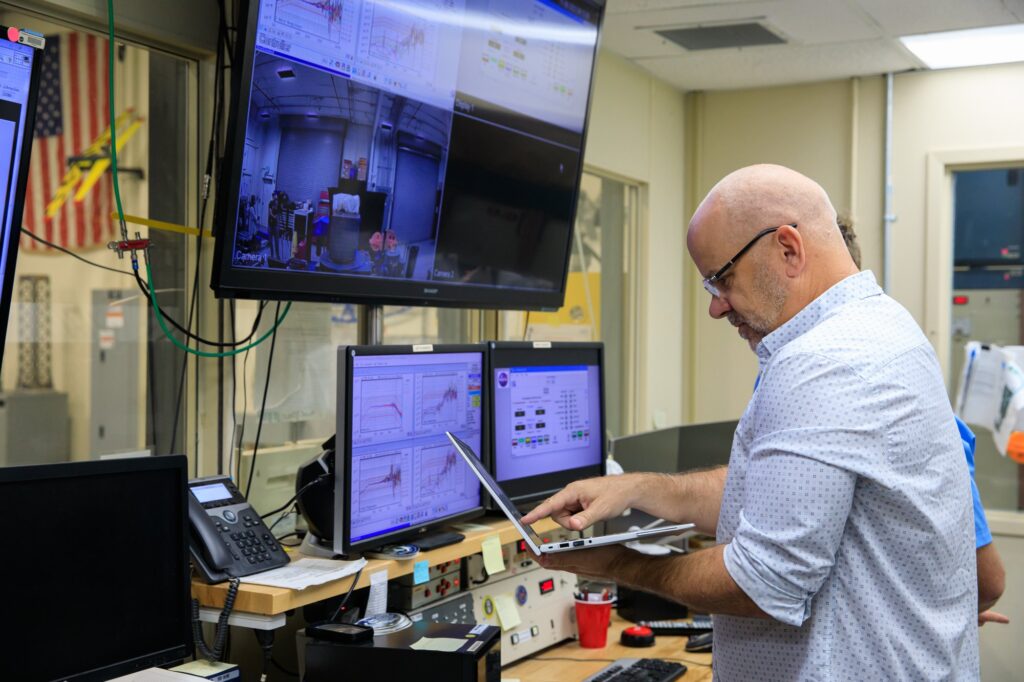
The first signal generation module for Europe’s next-generation Galileo navigation satellites has passed all its tests in Toulouse, France, ESA said. Airbus built the unit, which can be reprogrammed after launch to produce new signals.
A navigation signal generator that can learn new tricks
A navigation satellite broadcasts signals that carry very precise time. Receivers on the ground, such as a phone, compare the signals from several satellites to work out where they are. Atomic clocks on board keep the time. The signal generation module reads that time and turns it into the signals sent to users. ESA calls it the ‘brain’ of the satellite’s navigation.
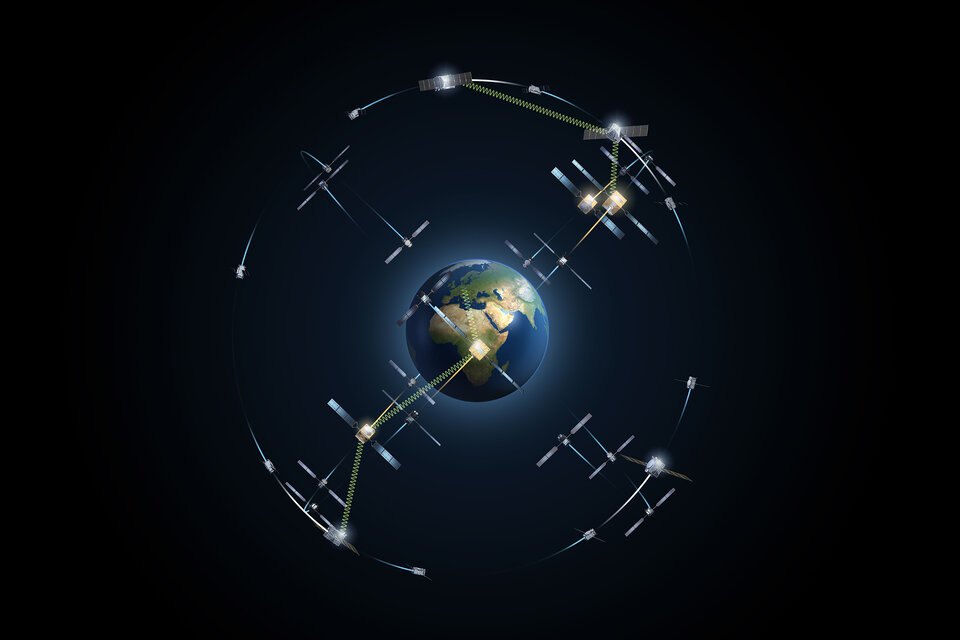
On the Galileo Second Generation (G2) satellites, the module will be more capable than its first-generation predecessor. According to ESA, it will produce many kinds of navigation signals on the fly, and operators will be able to rewrite it while the satellite is in orbit. That gives Galileo room to adapt to what users need without launching new hardware. ESA lists the possible gains as signals that resist interference better, are picked up faster by receivers and allow higher positioning accuracy.
Twelve G2 satellites will join the current fleet in the coming years. Besides the new signal generator, they will carry electric propulsion, links that let satellites talk to each other, an advanced atomic clock configuration and an enhanced navigation antenna.
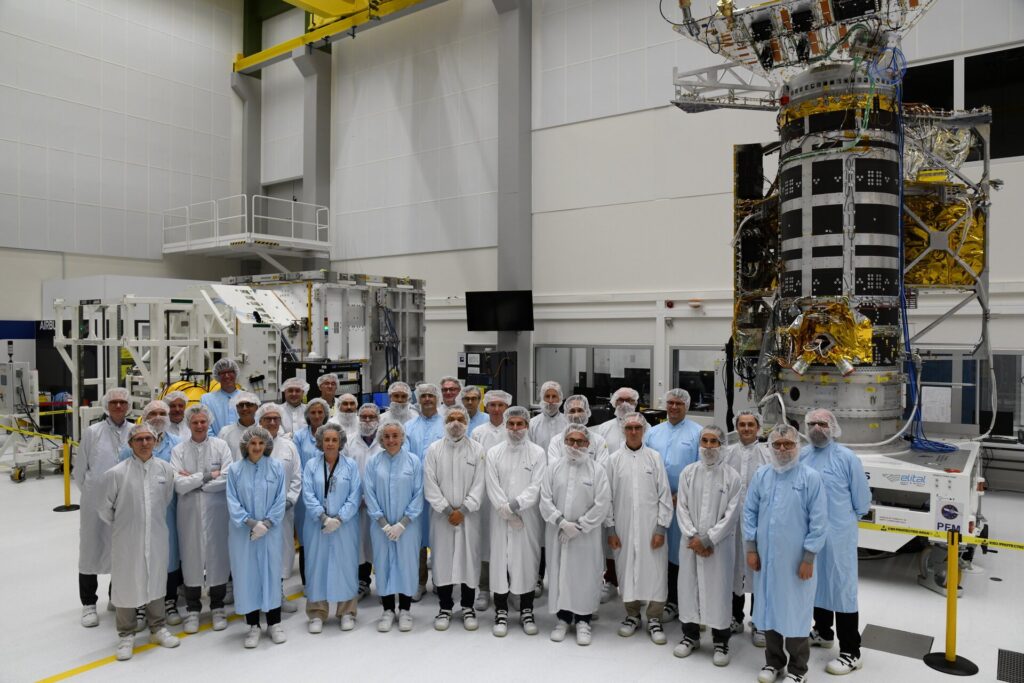
Brain, mouth and speakers: How the satellite comes together
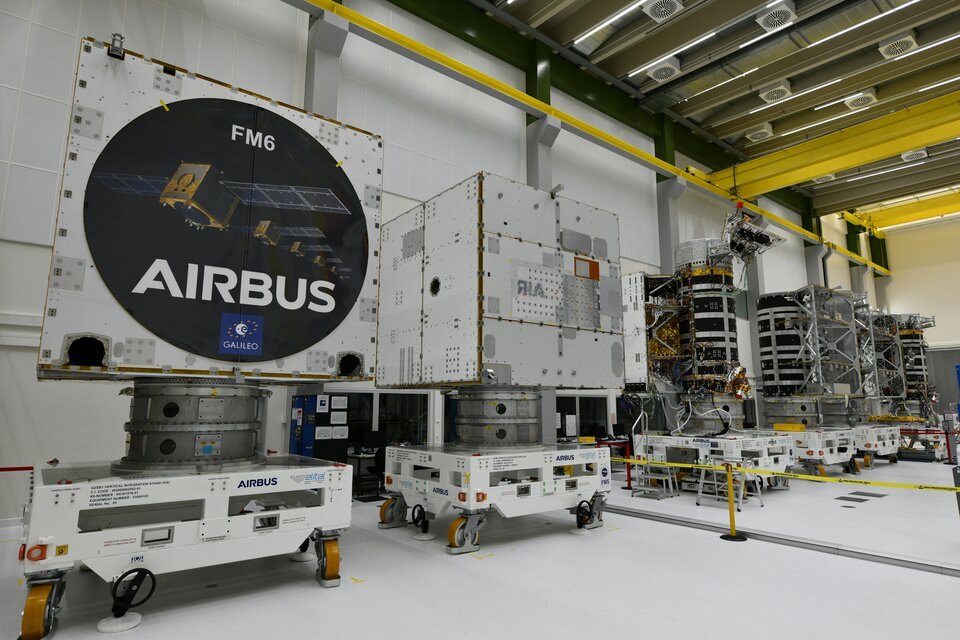
Airbus Defence and Space has six G2 satellites at different stages of integration in its factory in Friedrichshafen, Germany. Thales Alenia Space is building the other half of the G2 family. The tested module is now back in Friedrichshafen and will soon be paired with the radio frequency output module, which ESA describes as the ‘mouth’ that speaks the brain’s thoughts. Together they form the payload, the part of the satellite that does its navigation job. The payload will be tested next year.
After that, the payload goes into the satellite’s main structure, called the platform. Meanwhile, two navigation antennas, the ‘speakers’ that send the signals to Earth, were recently evaluated at Airbus facilities in Madrid, Spain. ESA says they will soon be declared fit for flight. All the work across Europe is due to come together next year, in the full integration of the first flying satellite model.
Brain and mouth will be fitted into the body of the satellite, or platform.
What the upgrade costs, and who pays
The G2 program is a large investment. In January 2021 the European Commission announced two contracts worth 1.47 billion euros for the first batch of second-generation satellites: 12 spacecraft in total, six each for Airbus and Thales Alenia Space, according to the Commission’s announcement.
Ordering two separate satellite families from two companies spreads technical risk. It also means a module that works in the lab at Airbus is only one piece of a larger puzzle, assembled in parallel at Thales Alenia Space.
The in-orbit reprogramming is the feature that could stretch the value of that money. A fixed signal design is locked in at launch and stays for the satellite’s life. A generator that can be rewritten lets operators answer new interference threats or new user needs with a software change rather than a replacement spacecraft. ESA does not say which new signals are planned. It says only that the aim is to meet needs ‘that we cannot yet anticipate’.
Galileo’s user base is large. ESA says the system has served billions of users since entering Open Service in 2016, that every smartphone sold in the European Single Market is guaranteed to work with Galileo, and that it also supports rail, maritime, agriculture, financial timing and rescue operations. The European Commission manages and funds the program. ESA is responsible for designing, developing and qualifying the space and ground systems, and the EU Agency for the Space Programme (EUSPA) acts as the service provider.
ESA’s update gives no launch date for the first G2 satellite. The next visible milestones are payload testing and full integration of the first flight model, both due next year.