TRACERS first-year data: Magnetic reconnection mostly moves in space, not time
A first-year paper from NASA's twin TRACERS satellites finds that magnetic reconnection near Earth's polar cusp looks largely like a moving location, not a process changing in time.

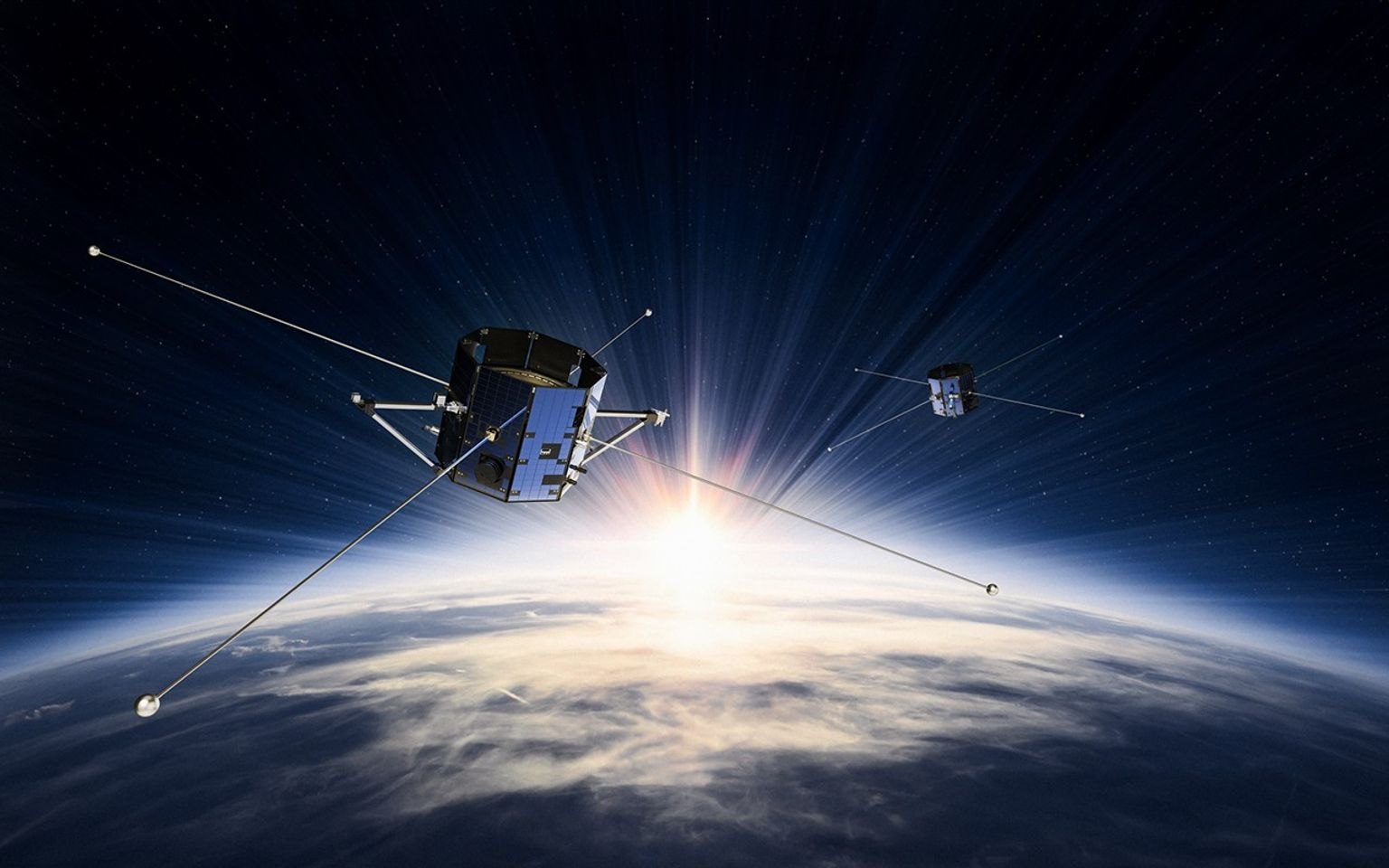
Researchers on NASA’s TRACERS mission report that magnetic reconnection, the explosive release of energy where the Sun’s magnetic field meets Earth’s, is largely a spatial process: the place where it happens moves, rather than the event changing over time. NASA announced the first results on Oct. 29, 2026.
What the two satellites saw above the south pole
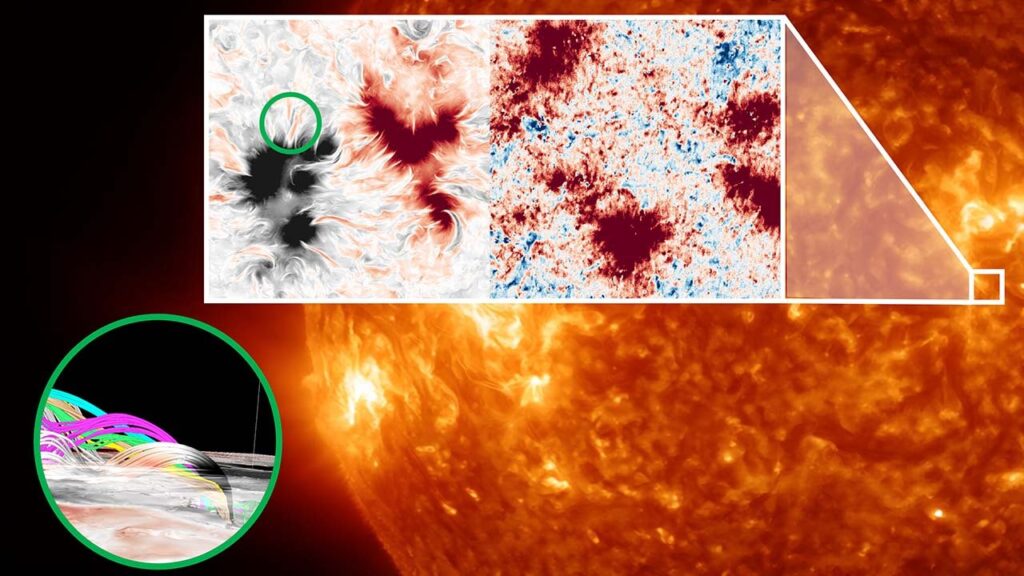
The Sun constantly sends out charged particles, called the solar wind, carrying its own magnetic field. Earth is wrapped in a magnetic shield, the magnetosphere, and its outer edge is the magnetopause. Where the two fields meet, energy builds up until field lines snap and reconnect, flinging nearby particles away at high speed. That process is magnetic reconnection.

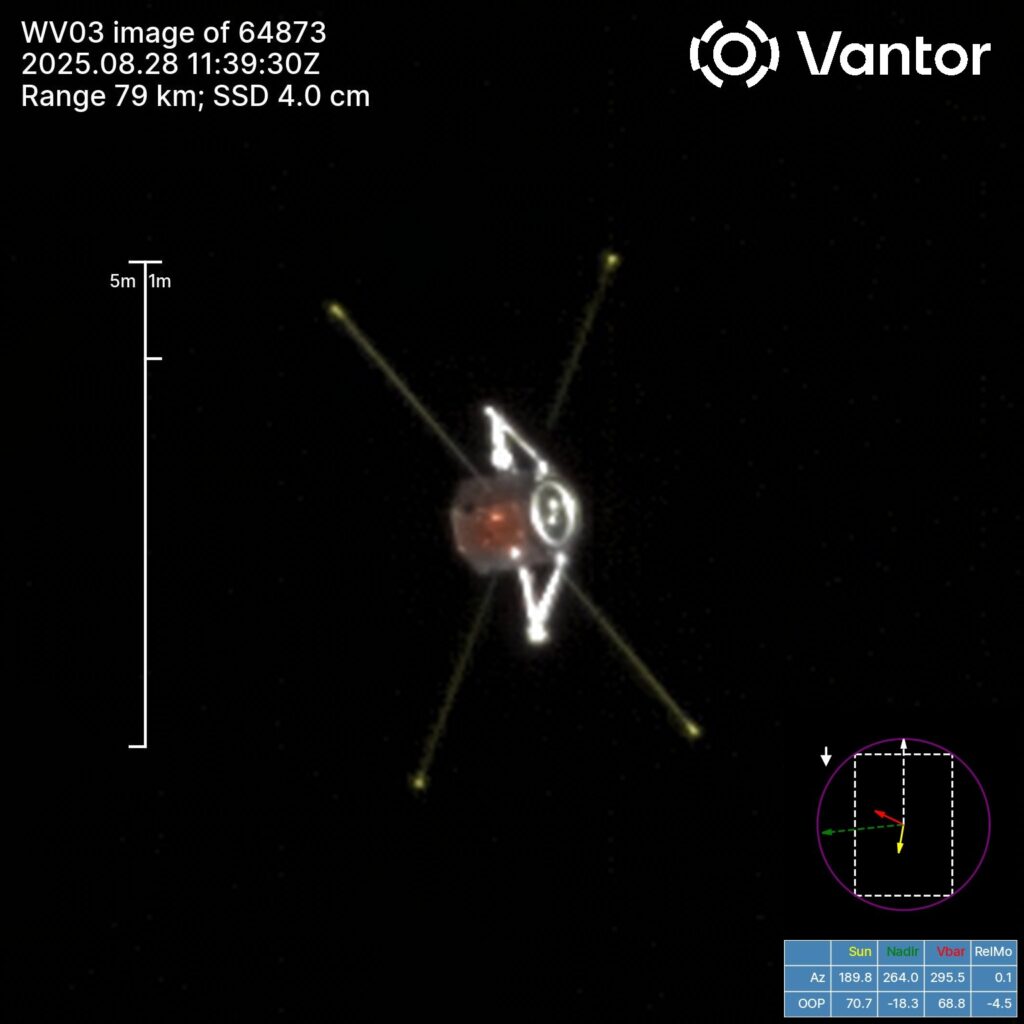
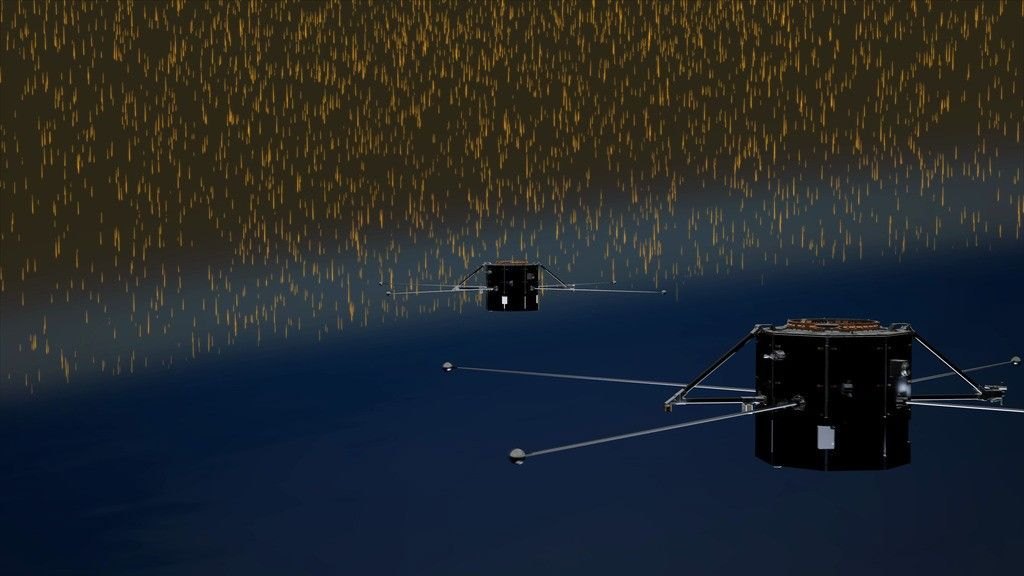
TRACERS (Tandem Reconnection and Cusp Electrodynamics Reconnaissance Satellites) uses two spacecraft flying one behind the other in a Sun-synchronous orbit, which keeps them over the same lighting conditions on every pass. They cross the polar cusps, funnel-shaped regions over the magnetic poles where solar wind particles are channeled down toward the upper atmosphere. The team compares what the leading and trailing spacecraft record minutes apart, which shows how quickly a reconnection event changes.
The new paper in the Journal of Geophysical Research (DOI 10.1029/2026JA035648) uses data from the Analyzers for Cusp Ions instruments. It concludes that the signals are best explained by the reconnection location shifting, not by the process itself rapidly varying in time. NASA says future measurements are needed to confirm this.

“This is an important first step in understanding how magnetic reconnection works and how these processes can affect Earth.”
That is the assessment of Stephen Fuselier, deputy principal investigator and instrument lead at the Southwest Research Institute in San Antonio. The open question the team is tackling is whether the location of reconnection influences how the magnetopause reacts more than the rate of reconnection does.
A recovered satellite and an extended mission
One of the satellites ran into a setback after launch. According to NASA, the team re-established contact and set up routine data collection, and both spacecraft now observe the southern cusp several times a day. In September, NASA approved a prime mission extension that lets TRACERS keep studying reconnection until spring 2027.
Why two satellites in a row beat one
A single spacecraft crossing a reconnection region cannot tell whether a change in its readings is the event evolving or the spacecraft simply flying through a different spot. That ambiguity has long limited the field. Two identical spacecraft on the same track, separated by a short interval, break it: if both record the same structure at slightly different positions, the structure is moving in space, which is the pattern the first paper reports.
NASA’s mission page says TRACERS launched on July 23, 2025, and that the pair is accumulating thousands of dayside reconnection events. With the extension running into 2027, the team can test whether the spatial interpretation holds across different solar wind conditions, which is the confirmation NASA says is still to come.
There is a practical payoff. NASA notes that reconnection is the fundamental link between the solar wind and Earth’s space environment, so understanding it helps scientists predict geomagnetic storms. Those storms can endanger astronauts near Earth and disrupt power grids and communication systems. Readers who follow storm alerts can see their visible effect in the northern lights forecast, since the same solar wind energy that drives reconnection also powers the aurora.
Who built what
David Miles of the University of Iowa leads the mission, with support from the Southwest Research Institute. NASA’s Heliophysics Explorers Program Office at Goddard Space Flight Center in Greenbelt, Maryland, manages TRACERS for the agency’s Heliophysics Division. Four institutions each lead one or more of the instruments that track changes in Earth’s magnetic and electric fields: Iowa, Southwest Research Institute, and two University of California campuses, in Los Angeles and Berkeley.
Miles said he is excited to see what future measurements reveal.