NASA asks industry if a private spacecraft can lift Hubble out of its slow fall
NASA has issued a Request for Information on commercial options to raise Hubble's orbit, upgrade it or bring it down safely, with responses due Nov. 30.

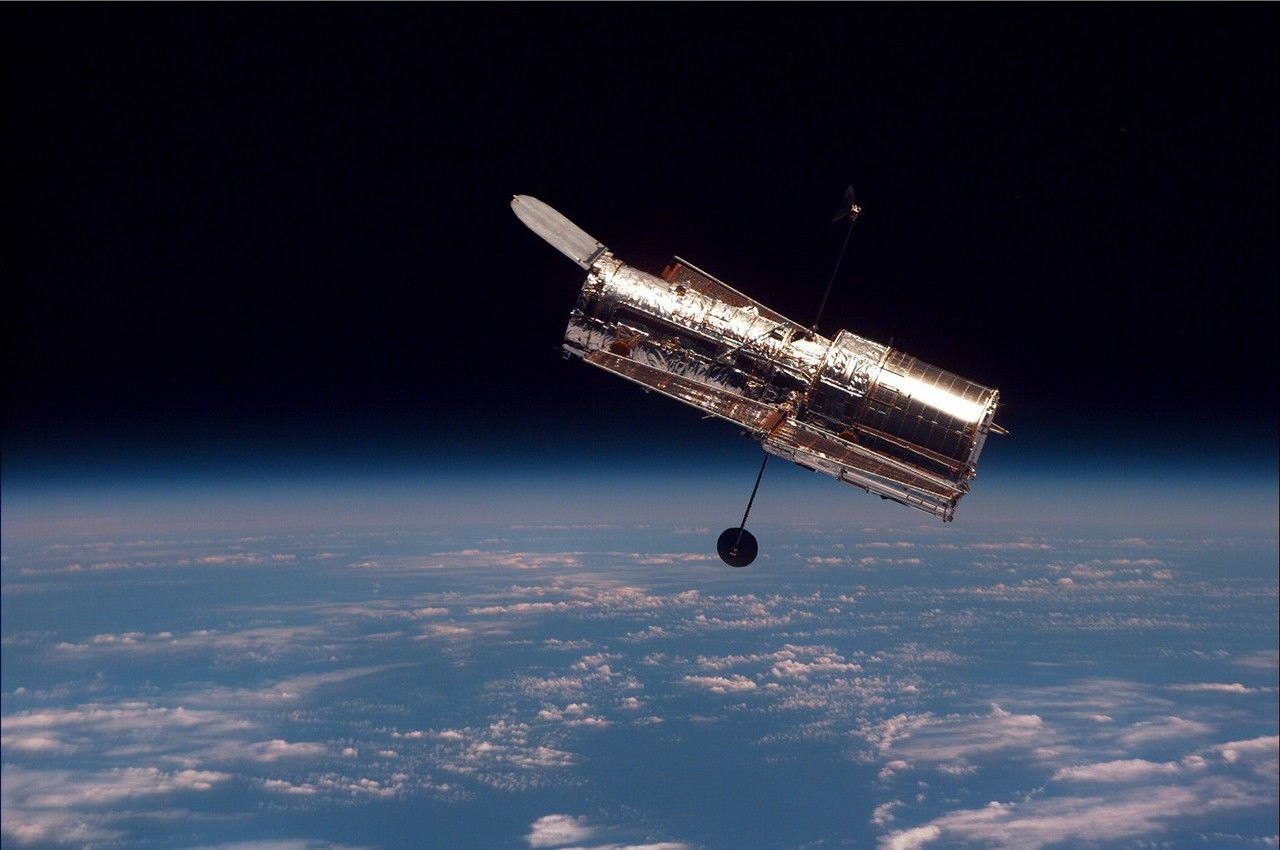
NASA issued a Request for Information on Oct. 29 asking companies how they could service the Hubble Space Telescope, from boosting it to a higher orbit to upgrading it or bringing it down safely. Responses are due by 3 p.m. EST on Nov. 30.
Three jobs NASA wants industry to price
A Request for Information is not a contract. It is a way for an agency to find out what companies can do before it decides whether to buy anything. In its announcement, NASA lists three areas of interest: a mission to boost Hubble to a higher altitude and extend its science lifetime, servicing to enhance its capabilities, and a safe, controlled re-entry into Earth’s atmosphere or orbital disposal at the end of the mission.

The reason is physics. Like every spacecraft in low Earth orbit, Hubble is slowly losing altitude because of drag from the thin upper atmosphere. Hubble has no propulsion system of its own to correct this. NASA’s analysis predicts it will re-enter the atmosphere in the 2033 to 2034 timeframe, so the agency expects a mission would need to happen by 2032.
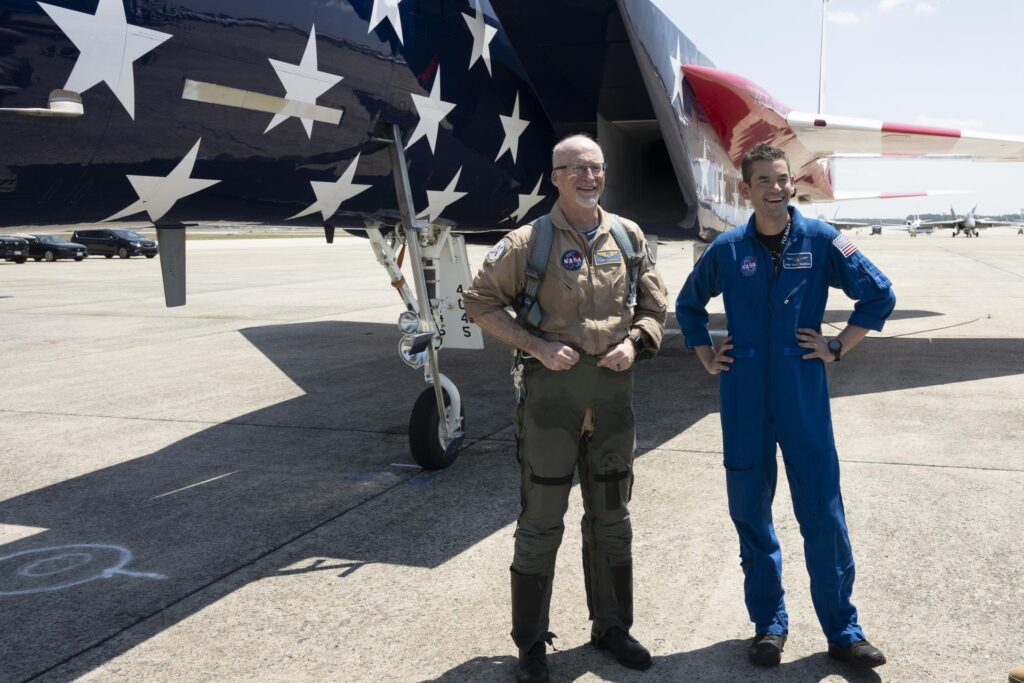
NASA Administrator Jared Isaacman said that “Hubble still has important science ahead of it, and we should be looking at every reasonable opportunity to keep it delivering for as long as possible.” He added that if there are cost-effective ways to extend the life of an asset already in orbit, NASA owes it to taxpayers and scientists to explore them.

Nicky Fox, associate administrator of the Science Mission Directorate, said commercial industry has quickly developed new abilities for capturing and servicing satellites in space. She described the goal as boosting Hubble to a higher orbit “while we develop the flagship mission to follow.” The release does not name that mission.
A telescope built to be visited, now without a ride
Hubble was designed to be repaired by astronauts. According to NASA’s mission pages, it received five astronaut servicing missions flown by space shuttle crews, and it orbits about 300 miles (483 km) above Earth, circling the planet roughly every 95 minutes. After the last upgrade it weighs about 27,000 pounds (12,200 kg), and it measures 43.5 feet (13.2 m) long. The shuttle fleet that made those visits has since retired, which is why NASA is now looking to commercial spacecraft for anything similar.
NASA’s own release notes that the telescope’s 1997 servicing mission returned it to orbit as an improved observatory, and that Hubble has been operating for more than three decades. Its operations are split across several organizations: NASA’s Goddard Space Flight Center in Maryland manages the mission, Lockheed Martin Space supports operations there, and the Space Telescope Science Institute in Baltimore runs the science operations. Hubble is a joint project with ESA (the European Space Agency).
Why NASA is asking now: The economics of rescue
The question for NASA is whether a private servicer can do this more cheaply than building a replacement, and the Request for Information is the first step in finding out. It also fits a wider push to make in-orbit servicing a normal commercial service. The same week, NASA published the 2026 edition of its ISAM State of Play, a 368-page guide to in-space servicing, assembly and manufacturing that covers 11 functional areas, including robotic manipulation and refueling. The guide only lists technology that exists as hardware, either a ground prototype or a flight demonstration, and defers paper concepts to a later year.
That entry rule matters for Hubble. A rescue spacecraft would have to find and grab a telescope that was never designed to be docked with by a robot, and the Request for Information asks what companies can already offer. The responses will show whether existing hardware is close enough to the job or whether a new vehicle would be needed. Because any mission must fly by 2032, the schedule leaves limited room for building something from scratch.
There is also a choice built into the request. Raising the orbit, adding capability and disposal are listed as separate options, so a company could propose only the end-of-life piece. Disposal matters in any case: a controlled re-entry or move to a safer orbit is a way to bring down a roughly 12,000 kg spacecraft in a planned way, rather than leaving the timing to atmospheric drag.
NASA has not said how much it would spend or whether it will go on to a formal solicitation. The agency’s media contacts for the announcement are listed as Alise Fisher at Headquarters and Claire Andreoli at Goddard.