Canada’s Kutryk spends 7 hours 11 minutes outside the station on his first spacewalk
Canadian astronaut Joshua Kutryk became the fifth CSA astronaut to walk in space, helping install a new solar array while Canadarm2 carried his crewmate.

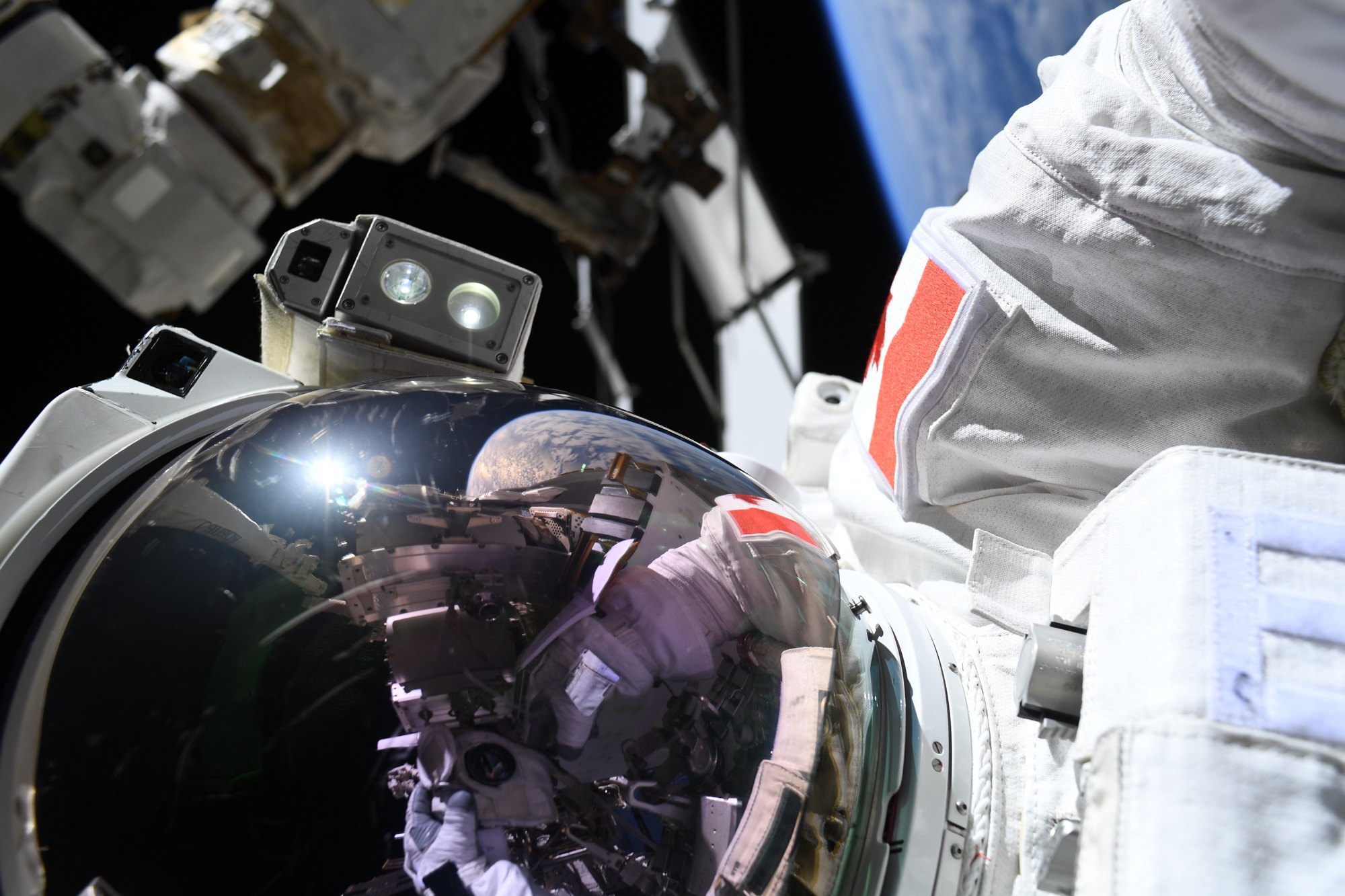
Canadian Space Agency astronaut Joshua Kutryk completed his first spacewalk on Oct. 29, working with NASA’s Anil Menon for 7 hours and 11 minutes to install a new solar array on the International Space Station, the CSA said.
The agency has now published video of the spacewalk, a day after it streamed the work live. Kutryk’s walk was part of the Crew-13 mission, and it ended a long gap for Canada: NASA commentator Rob Navias described it as “the first spacewalk by a Canadian Space Agency astronaut since David Saint-Jacques.” Saint-Jacques last went outside in April 2019.

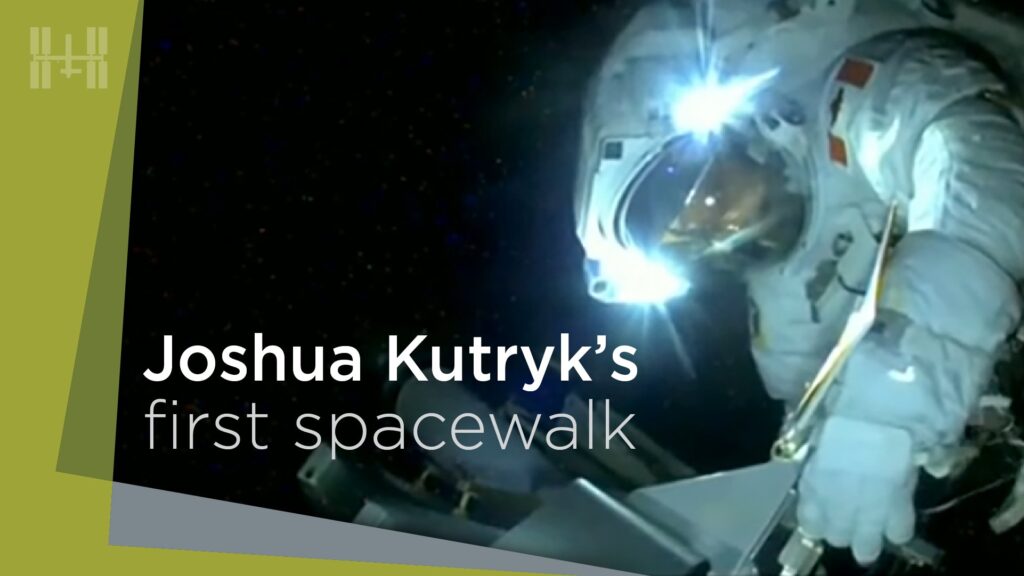
A fifth Canadian outside the station
A spacewalk is work done outside a spacecraft in a pressurized suit. According to the CSA, Kutryk is the fifth Canadian to do one, after Chris Hadfield, Steve MacLean, Dave Williams and Saint-Jacques.
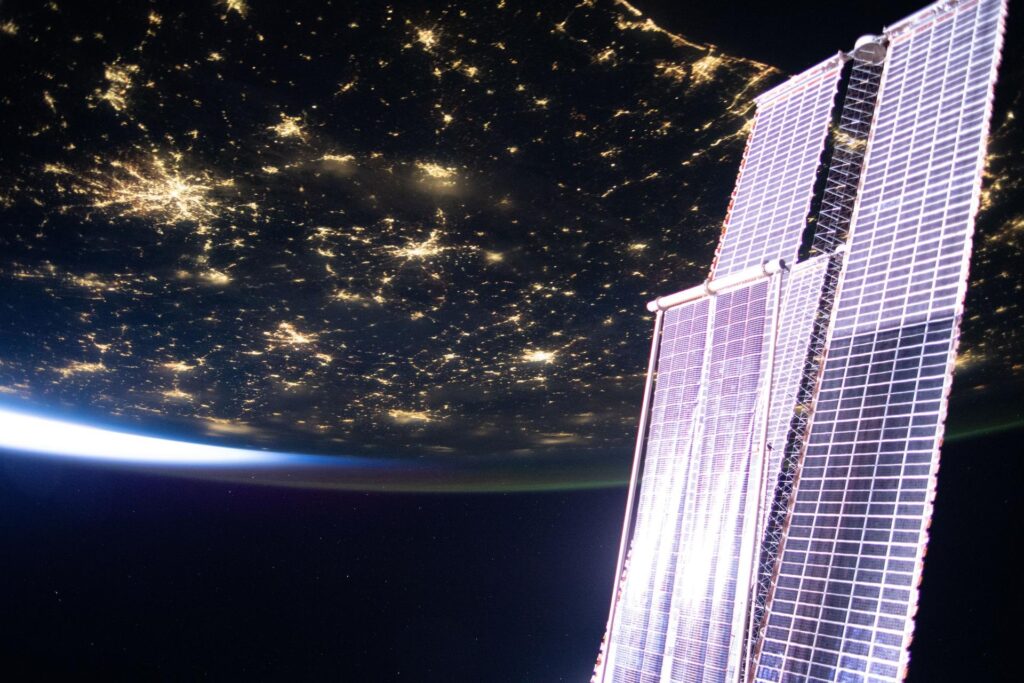
The job was to fit a new solar array to the station so it can generate more electricity. The agency’s event page said the new array, together with those already installed, would raise the station’s power generation capacity by up to 30%. The CSA planned the walk at 6 hours 45 minutes, so the finished time ran longer than scheduled. Our report on the array itself covers how it unrolled and began producing power.

Canada’s help from the ground and the arm
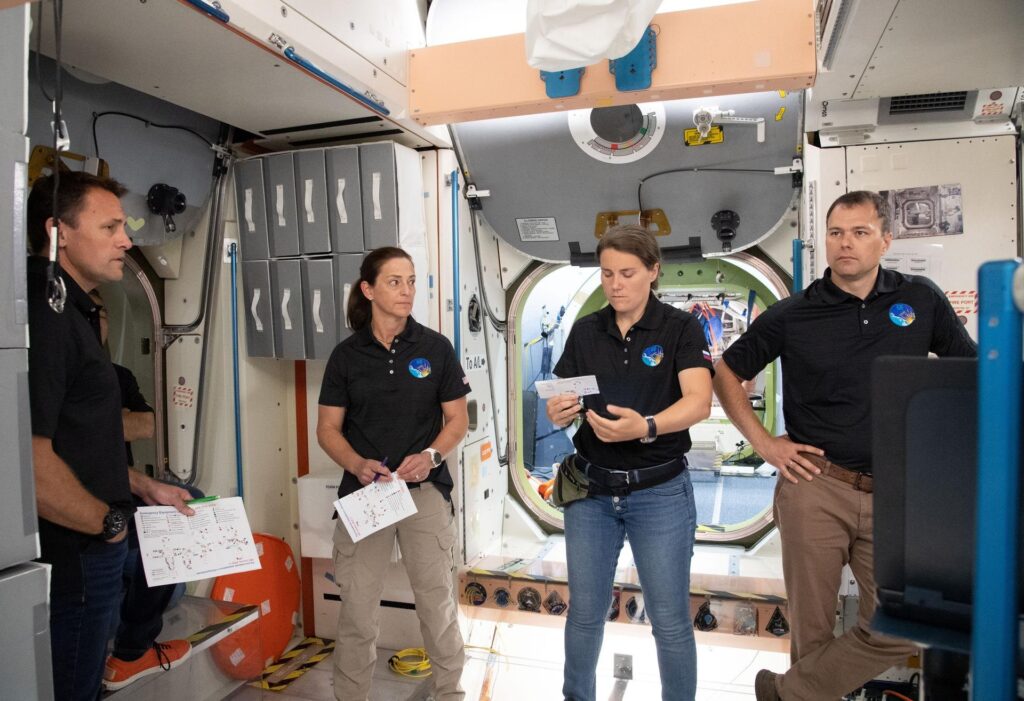
Canada contributed more than one person to the outing. Canadarm2, the station’s Canadian-built robotic arm, held Menon on a foot restraint (a platform at the arm’s tip that an astronaut stands on) and moved him around the station. Canadian robotics controllers supported that work from the ground, the CSA said.
CSA astronaut Jenni Gibbons served as capcom, the person who talks to the crew from mission control, supporting the astronauts still inside the station. Kutryk thanked Menon, his crewmates Jessica and Luke, the spacewalk and flight control teams, and Gibbons and Nicole for their voices during the work.
Reflecting on it a day later, Kutryk said it was hard to describe. “To be on the end of Space Station, looking down, watching the world whirl by as a globe – it’s hard to put into words.” He added that the work builds toward future deep-space exploration missions, the CSA said.
What a Canadian spacewalk is worth to Canada’s program
Canada has no launch vehicle of its own, so its place in human spaceflight rests on contributions and partnerships. The robotic arm is the clearest example, and this spacewalk showed it working as intended: a Canadian-built machine, run partly by Canadian controllers, positioning a NASA astronaut while a Canadian astronaut worked beside it. That visible role helps explain why Canada keeps seats on NASA missions.
The upgrade itself is a long program that Canada has been part of. According to NASA, as reported in our earlier coverage, the work began in June 2021, and the full set of eight roll-out arrays will lift the station’s power capacity from 160 kilowatts to about 215 kilowatts, roughly a third more. The 30% figure from the CSA is the same idea stated for this array and those installed before it.
The timing also matters for Canada’s longer-term plans. Kutryk’s remark about deep-space exploration points to the way station work is used as practice for missions beyond low Earth orbit, where Canadian robotics and astronauts are also expected to take part. The CSA did not give details of those missions in these posts, and we do not add any here.
Public attention was high. The CSA streamed the walk live at the Montreal Science Centre and the Canada Aviation and Space Museum in Ottawa, besides NASA’s online broadcast. A press conference after the walk was hosted by Saint-Jacques and attended by Eleanor Olszewski, Canada’s Minister of Emergency Management and Community Resilience.
One more array on Nov. 5
The CSA said a second spacewalk is scheduled for Nov. 5 to install another array, completing the upgrade work that began in 2021. Our earlier report, citing NASA, says that array goes on the starboard side. Whether Kutryk will again be outside is not stated in the CSA posts reviewed here.
A SpaceX Dragon cargo spacecraft has been docked at the station since Oct. 15 and, per NASA, is due back on Earth in mid-November, after the second spacewalk.