Meteor shower tonight: Every major peak from October 2026 to August 2027
The Orionids peak October 21-22, 2026, and the Geminids follow December 13-14. Peak nights through August 2027, with moon conditions and how to watch.
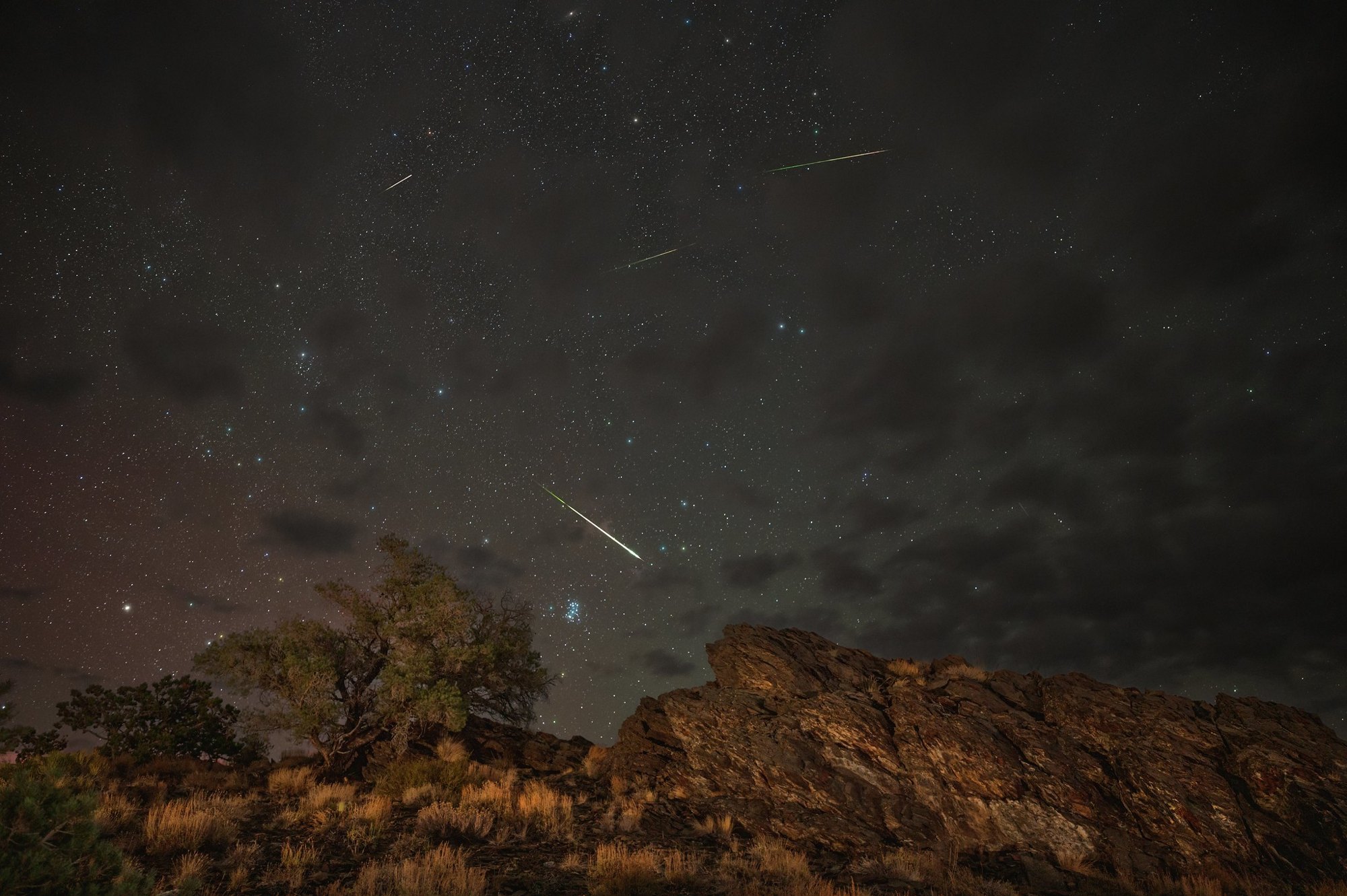
Dates and facts checked on the official pages on October 17, 2026.
As of October 17, 2026, the next major shower is the Orionids, which peak on the night of October 21-22. NASA lists the shower as active from October 2 to November 7, so a few meteors can appear tonight, but the peak is still days away.
This guide lists the peak night of every major shower from now to August 2027, the moon on each night, and how to watch. Dates were checked on October 17, 2026.
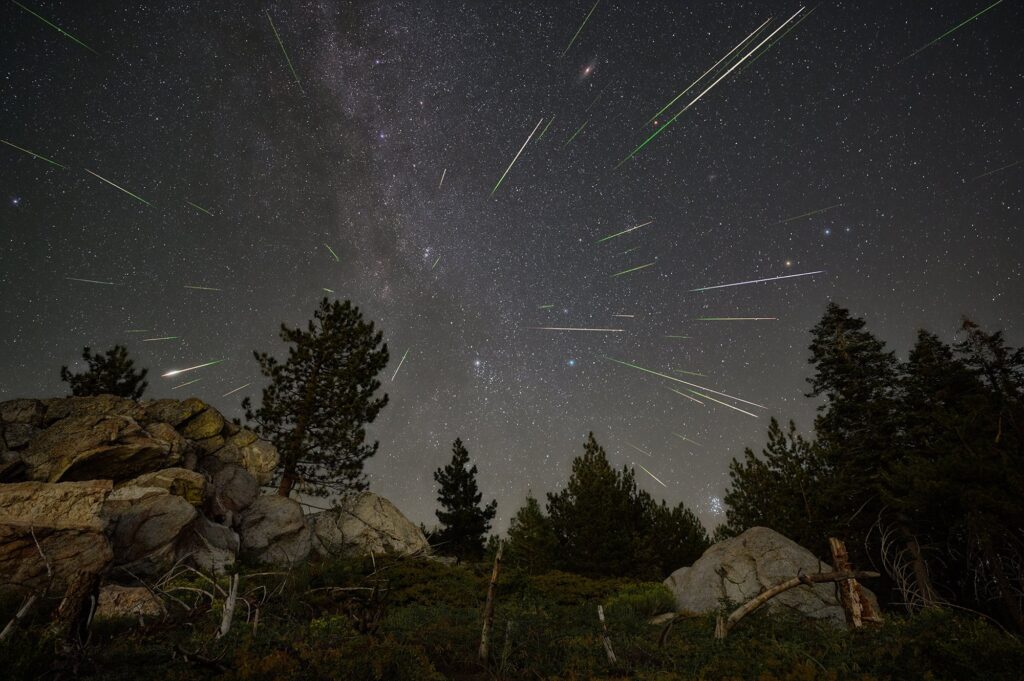
What is on tonight: How to check and what is confirmed
No forecast can promise how many meteors a given evening will bring. Two things decide what you can see: whether a shower is in its active window, and whether the sky is dark and clear where you are.
- Look up the active window on NASA’s meteor showers page, which lists dates for upcoming showers and was last updated September 21, 2026.
- Check the peak night and moon phase on the American Meteor Society calendar.
- Check your local forecast for cloud cover, and move away from street lights.
NASA notes that several meteors per hour can usually be seen on any clear night. A shower is the time when the rate is well above that background. Away from the peak, a shower in its active window will give fewer meteors than the peak numbers below.
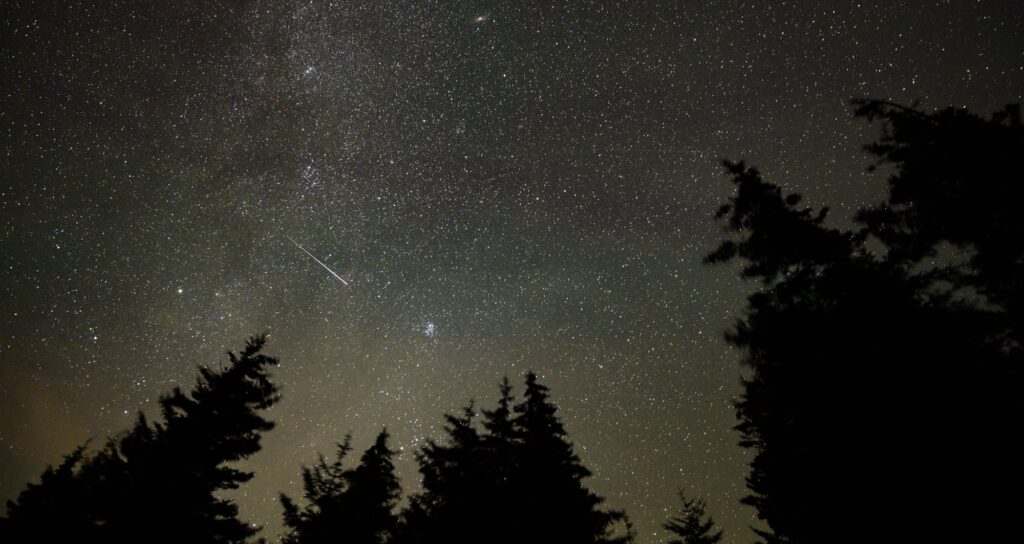
The dates are the same worldwide, whether you watch from Florida, Utah or anywhere else. What changes with latitude is how high the radiant, the point in the sky where the meteors seem to come from, climbs, and a dark sky matters more than location. For rocket launches that can also light up the evening sky, see the live rocket launch schedule.
Peak nights from October 2026 to August 2027 at a glance
The table combines NASA’s active periods with the American Meteor Society’s peak nights and moon phases. Rates are those each page gives for dark skies and normal years.
| Shower | Peak night | Moon on peak night | Typical rate (dark sky) |
|---|---|---|---|
| Orionids | Oct 21-22, 2026 | 74%, waxing gibbous | 10-20 per hour |
| Southern Taurids | Nov 4-5, 2026 | 25%, waning crescent | Not stated; fireball-rich |
| Northern Taurids | Nov 11-12, 2026 | 4%, waxing crescent | Not stated |
| Leonids | Nov 16-17, 2026 | 39%, waxing crescent | Not stated |
| Geminids | Dec 13-14, 2026 | 15%, waxing crescent | 40-50 per hour (NASA) |
| Ursids | Dec 21-22, 2026 | 89%, waxing gibbous | 5-10 per hour |
| Quadrantids | Jan 3-4, 2027 | 18%, waning crescent | About 25 per hour |
| Lyrids | Apr 21-22, 2027 | 100%, full moon | Not stated |
| Eta Aquariids | May 5-6, 2027 | 2%, waning crescent | 10-30 per hour (north of the equator) |
| Southern Delta Aquariids | Jul 30-31, 2027 | 14%, waning crescent | Not stated; lower in the north |
| Alpha Capricornids | Jul 30-31, 2027 | 14%, waning crescent | Rarely more than 5 per hour |
| Perseids | Aug 12-13, 2027 | 79%, waxing gibbous | 30-50 per hour (rural sites) |
Checked October 17, 2026, against the American Meteor Society calendar and NASA’s meteor showers page. NASA gives the Lyrid peak as April 22-23, 2027, while the AMS gives April 21-22.
Orionids on October 21-22 come with a bright waxing moon
Under dark skies, expect about 10 to 20 meteors per hour. The shower comes from debris left by comet 1P/Halley.
The AMS lists the moon at 74% and waxing gibbous (more than half lit and growing) that night, which will wash out the fainter meteors. NASA advises watching after midnight, facing southeast in the Northern Hemisphere or northeast in the Southern Hemisphere. It also suggests looking 45 to 90 degrees away from the radiant in Orion, because meteors there show longer trails.
A separate event is under way this month: the A-Carinid meteors flared again, which is a different and much smaller stream than the Orionids.
November brings the Taurids and Leonids under thin moons
The AMS lists the Southern Taurids at their peak on November 4-5 and the Northern Taurids on November 11-12, with moons of 25% and 4%. The AMS describes the Taurids as rich in fireballs, exceptionally bright meteors, rather than in high hourly counts.
The Leonids peak on November 16-17, with NASA listing them as active from November 6 to 30. The AMS gives a 39% waxing crescent moon, which sets in the evening and leaves the late-night sky fairly dark. These November showers are the answer to “meteor shower in November.”
The Geminids on December 13-14 are the best-placed big shower
NASA lists the Geminids as active from December 4 to 17, 2026, peaking on December 13-14. It gives 40 to 50 meteors per hour under dark skies, with a possible 120 per hour in perfect conditions. The AMS lists the moon at 15%, a thin waxing crescent, so the sky stays dark for most of the night.
The Geminids come from asteroid 3200 Phaethon rather than a comet, which NASA calls unusual for a major shower. NASA says to start looking around 9 or 10 p.m. and that the show continues until dawn. Dress for winter and bring a blanket or chair.
Later in December, the Ursids peak on December 21-22. The AMS gives 5 to 10 meteors per hour, and the 89% waxing gibbous moon will make them hard to see.
The 2027 showers: Quadrantids, Lyrids, Eta Aquariids and the Perseids
NASA lists the Quadrantids as active from December 28, 2026, to January 12, 2027, with the peak on January 3-4, 2027. The AMS gives about 25 per hour and an 18% waning crescent moon. It predicts the peak near 3:30 UT on January 4, which favors Europe and western Asia, and the peak is narrow, so timing matters.
The Lyrids peak on April 21-22 or 22-23 depending on the source, with a full moon on the AMS-listed night. The Eta Aquariids (NASA: April 19 to May 28, peak around May 5-6) meet a 2% moon, a good setup, with 10 to 30 per hour in the north.
The Southern Delta Aquariids and Alpha Capricornids both peak on July 30-31 under a 14% moon. For the Perseids, the AMS lists the 2027 peak on August 12-13 with 30 to 50 meteors per hour from rural sites, but with a 79% waxing gibbous moon that cuts the count. The 2026 Perseids, which NASA says were active through August 24, have already ended.
Perseids on August 12 and other August questions
The meteor shower of August 12 is the Perseids. NASA says they peak on the night of August 12-13 and come from comet 109P/Swift-Tuttle, which takes 133 years to orbit the Sun. NASA says they are best seen from the Northern Hemisphere in the pre-dawn hours, with some meteors visible from about 10 p.m.
NASA’s page gives two rates: about 25 per hour in its fast facts and 50 to 100 per hour in its description, and it does not reconcile them. The AMS figure of 30 to 50 per hour from rural sites is a sensible planning number.
How to watch: Seven steps that matter more than the forecast
- Get away from city and street lights. NASA says this is the first requirement.
- Lie flat on your back and take in as much sky as you can; NASA suggests feet toward the south for the Geminids.
- Allow about 30 minutes for your eyes to adjust, and avoid phone screens.
- Dress for the weather and bring a blanket, sleeping bag or lawn chair.
- Watch after midnight for most showers, when your side of Earth faces the direction of travel.
- Look away from the radiant, where trails are longer.
- For photos, NASA has a guide at How to Photograph a Meteor Shower. Bright meteors can be reported to NASA’s All Sky Fireball Network.
Common questions
What meteor shower is tonight?
As of October 17, 2026, the Orionids are in their active window, with the peak on October 21-22. Few meteors are expected tonight compared with the peak. Check NASA’s meteor showers page for the current list.
Where can a meteor shower be seen tonight?
Anywhere with a clear, dark sky. Showers are not tied to a country or state, so the best plan is to travel to the darkest site within reach. The Orionids are visible from both hemispheres.
What meteor shower is in December?
The Geminids peak on December 13-14, 2026, and the Ursids on December 21-22. The Geminids are the stronger of the two, with 40 to 50 meteors per hour under dark skies according to NASA.
When is the next meteor shower after the Orionids?
The Southern Taurids peak on November 4-5, 2026, followed by the Northern Taurids on November 11-12 and the Leonids on November 16-17. The Geminids are the next high-rate shower after the Orionids.
What is the best meteor shower of 2027?
On the sources used here, the Eta Aquariids (May 5-6, 2% moon) and the Quadrantids (January 3-4, 18% moon) have the best moon conditions. The Lyrids and the Perseids both face a bright moon.