Marshall legend Stephen Cash returns as center director after a decade away
NASA Administrator Jared Isaacman has picked a veteran propulsion and safety engineer who left the agency in 2016 to run one of its largest field centers, effective Oct. 19.
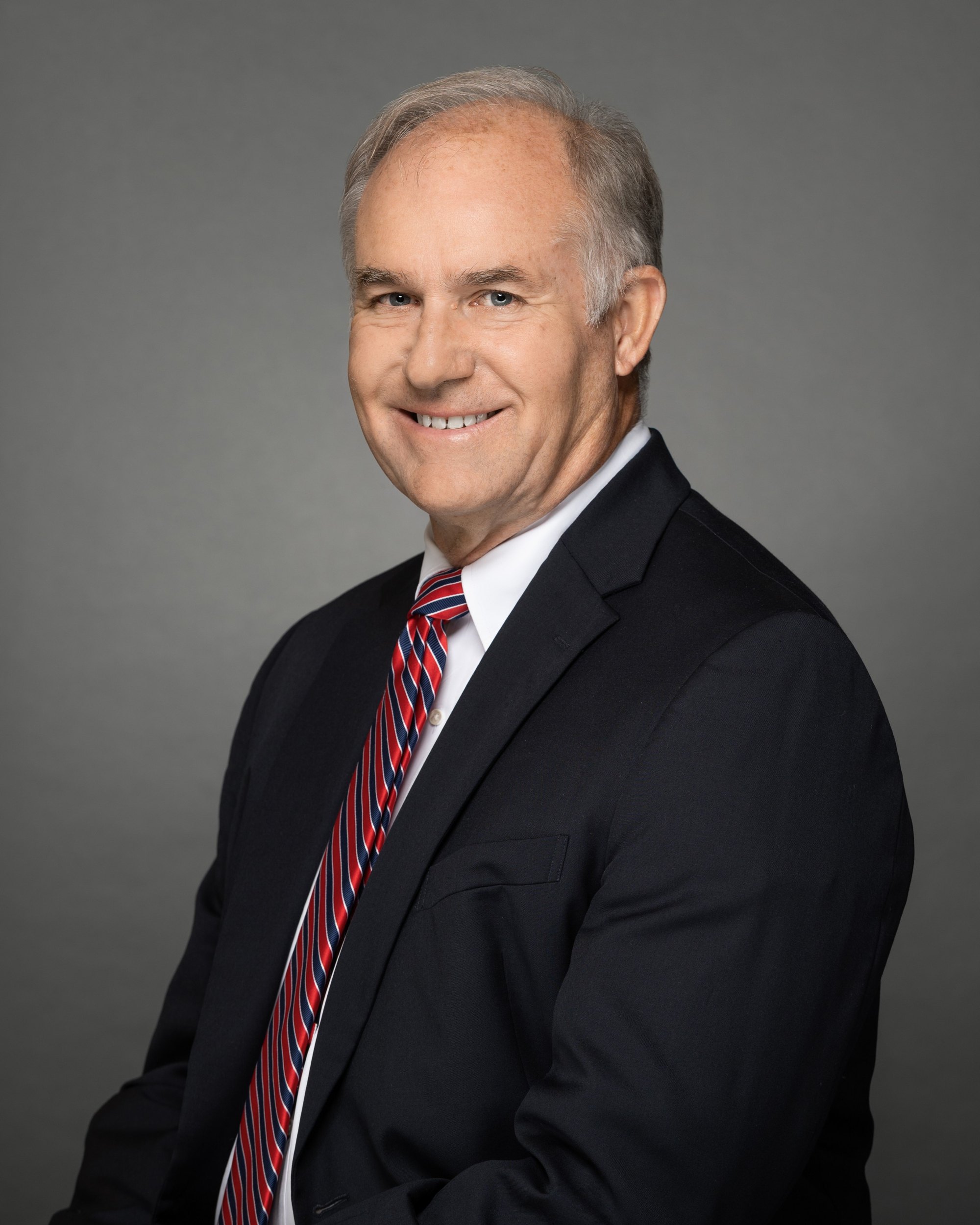
NASA Administrator Jared Isaacman has named Stephen Cash director of the Marshall Space Flight Center in Huntsville, Alabama, effective Monday, Oct. 19, NASA announced on Oct. 16. Cash began his career at Marshall in 1982.
Who Cash is and what he will run
Cash spent 34 years with NASA, starting at Marshall in 1982, and held senior engineering and management positions on major human spaceflight programs. He managed Marshall’s Space Shuttle Propulsion Office, which oversaw the propulsion systems that supported the shuttle through its final missions. From 2011 until he retired in 2016, he directed Marshall’s Safety and Mission Assurance Directorate, covering safety, reliability and quality engineering.
After leaving NASA he stayed in the industry, serving as vice president for advanced space systems at Axient. In 2024 he was inducted into the Alabama Engineering Hall of Fame.
He now takes charge of one of NASA’s largest field centers, with more than 5,000 civil service and contractor employees. NASA describes its portfolio as propulsion, space systems, scientific research and technology development. Marshall develops the SLS (Space Launch System) rocket for Artemis, manages the Human Landing System Program, and plays a key role in nuclear power and propulsion, an area NASA expects to grow as it works toward sending the first humans to Mars.
Cash succeeds Rae Ann Meyer, who has been acting center director since September 2025. Meyer, formerly deputy center director and associate director, will return to her role as Deputy Center Director.
What NASA leaders said
Isaacman called Cash “a Marshall legend” who has “been in the seat before making the decisions when human spaceflight is on the line.” He said Cash brings the experience, technical judgment and mission focus to lead the center as it takes on advanced propulsion, nuclear power and systems for traveling deeper into the solar system. Isaacman also thanked Meyer for her leadership during the transition.
Amit Kshatriya, NASA associate administrator and chief engineer, said Cash understands that the workforce is the center’s jewel. He tied that to Marshall’s work in manufacturing, structural loads and dynamics, and propulsion, and to giving engineers hands-on opportunities to design, build, test and learn.
Cash said it is “a profound honor to be back home at the Marshall Space Flight Center.”
A center that built Saturn rockets, Hubble and station modules
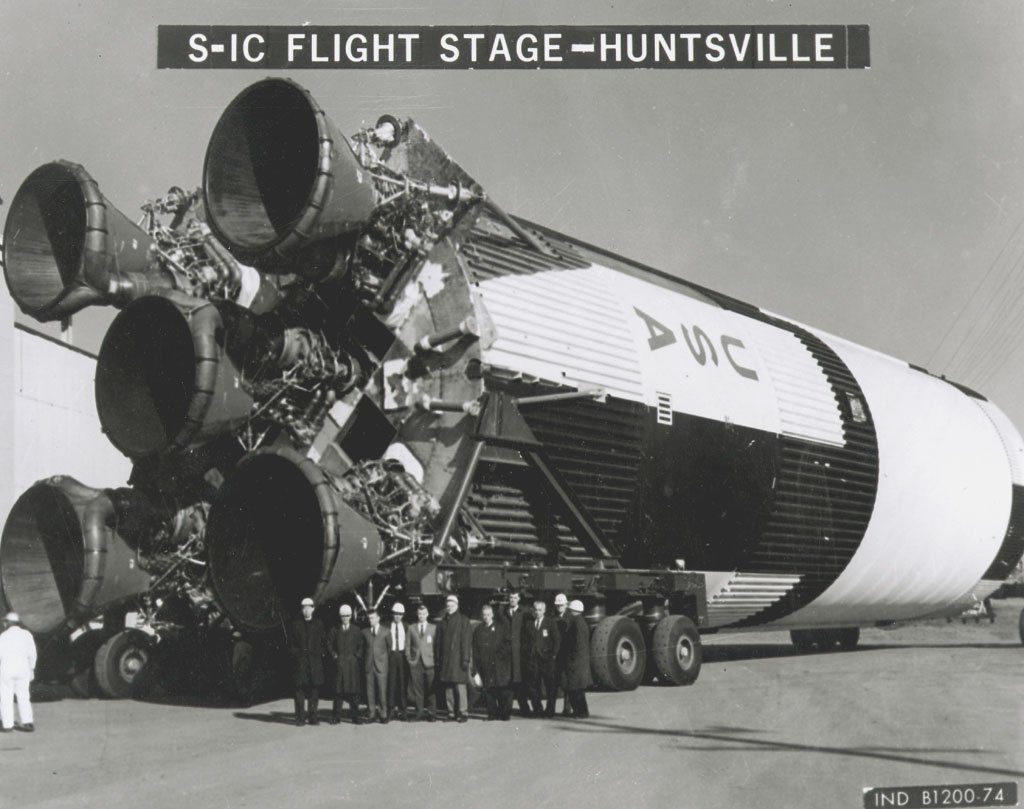
Marshall’s job is unusually broad for a single center, which is why the choice of its leader draws attention. According to NASA’s Marshall page, the center was founded on July 1, 1960, and its record includes the Saturn rockets that flew Americans to the Moon, the Lunar Roving Vehicle, Skylab, space shuttle propulsion systems, Spacelab, the Hubble Space Telescope, the Chandra X-ray Observatory and International Space Station laboratory modules.
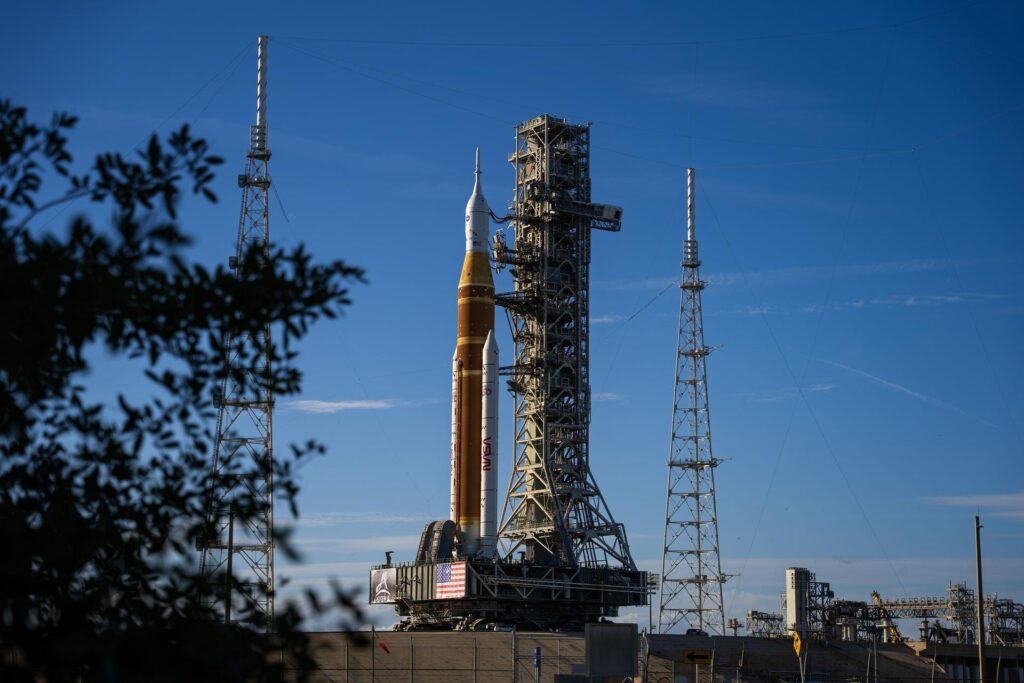
The current portfolio carries similar stakes. The SLS and Orion stack that NASA rolled out to Launch Pad 39B for Artemis II, per the same page’s captions, is a Marshall-managed vehicle. Our recent report on the Artemis II heat shield results shows how closely the program is now scrutinizing flight hardware after that crewed mission. A director whose background is in shuttle propulsion and in safety and mission assurance arrives while the program is reviewing what it learned and preparing for what comes next.
The appointment also reverses a long gap. Cash left NASA in 2016, and Marshall has been under an acting director for just over a year. A permanent leader with decades of institutional memory gives the center a stable head as it handles lander management, rocket development and the newer nuclear work at once.
NASA did not say in the release whether any organizational changes are planned under the new director.