Nine launches this week, led by Japan’s H3 sending MMX toward Mars’ moon Phobos
Japan's H3 is scheduled to send the MMX probe toward Phobos on Oct 19, one of nine orbital launches on this week's list from the US, Japan, China and New Zealand.
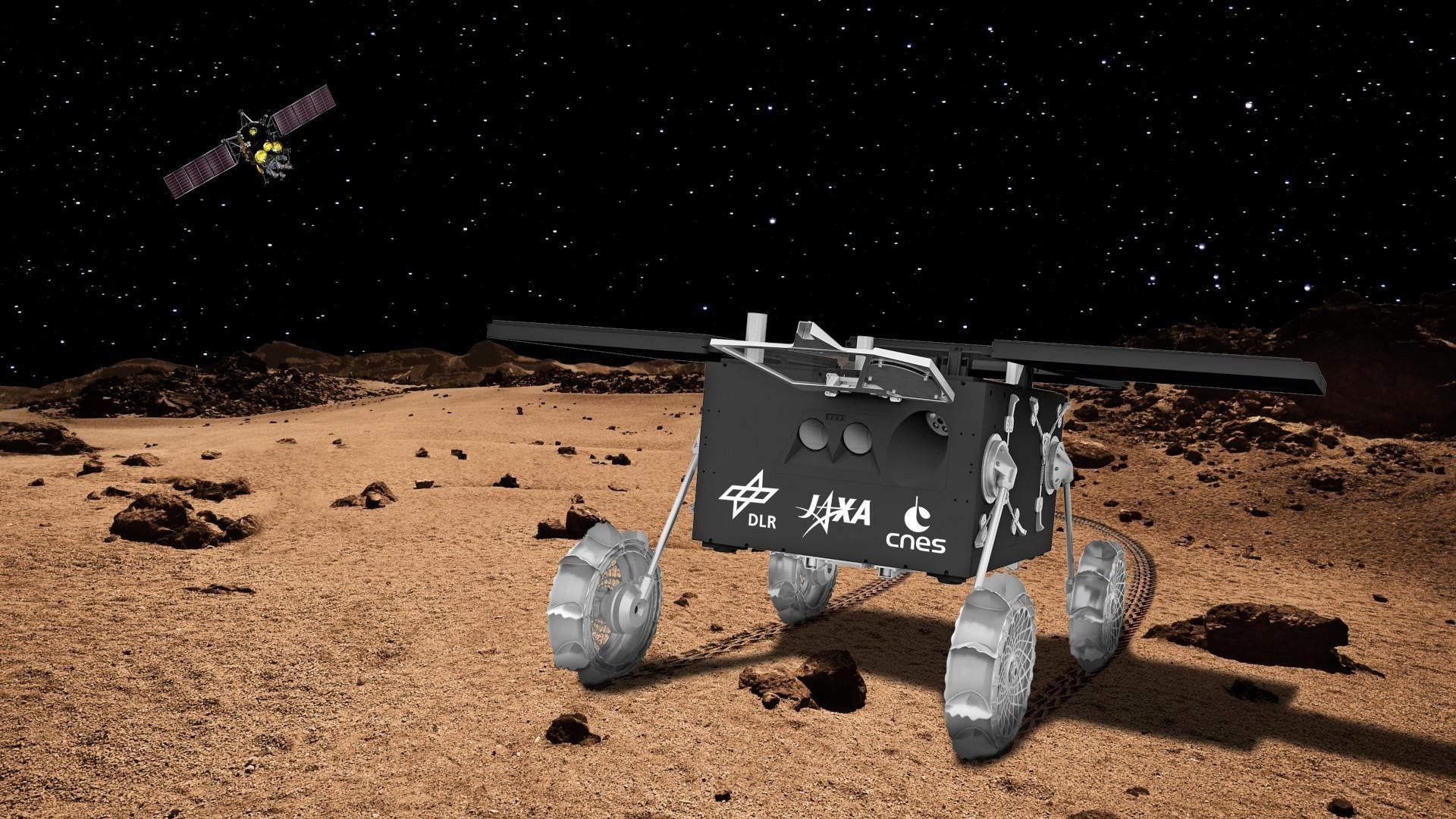
Nine orbital launches are on our launch tracker for Oct 17 to Oct 24, 2026 (UTC). The standout is Japan’s H3 rocket, scheduled to carry the Martian Moons eXploration (MMX) probe toward Mars on Oct 19.
Launch times often change, so check the live schedule before you plan to watch. The data comes from Launch Library 2, which is community-curated, so we confirmed the notable missions on agency pages where they exist.
The week in order
Oct 19, 10:30 UTC (6:30 a.m. EDT): Falcon 9, Bandwagon 5
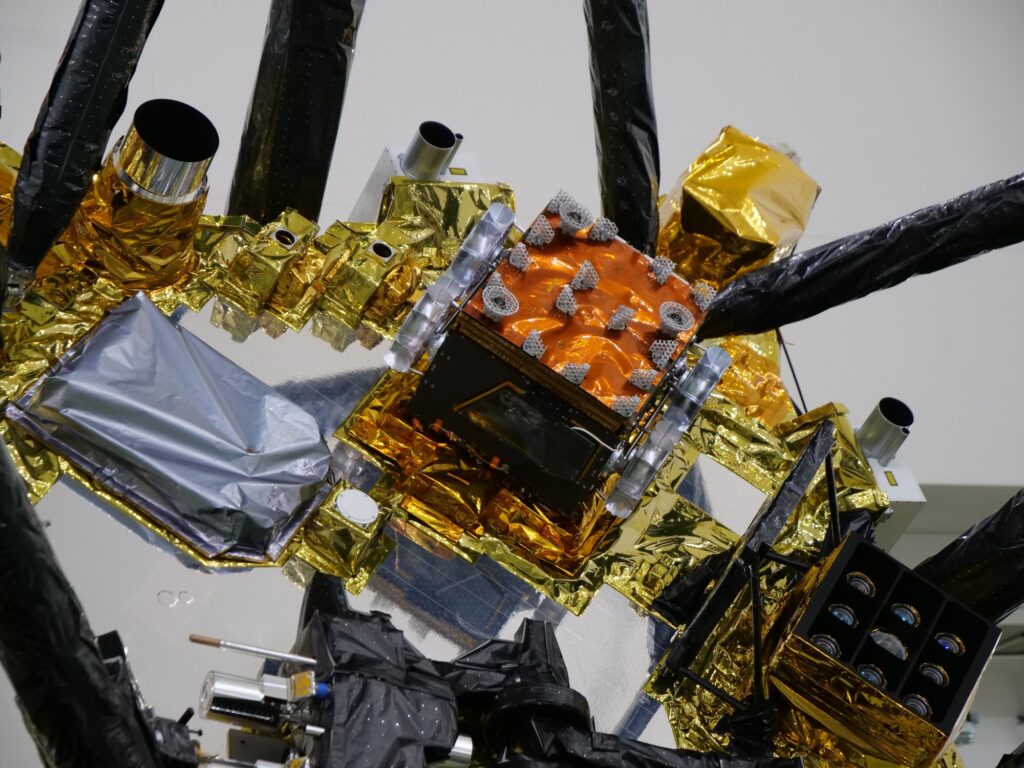
SpaceX is scheduled to launch a Falcon 9 from Space Launch Complex 40 at Cape Canaveral, Florida. The Bandwagon 5 flight is a dedicated rideshare to a mid-inclination low Earth orbit, carrying small satellites for commercial and government customers. The status is Go. Rideshare flights like this give small operators a ride without waiting for a larger mission to share.
Oct 19, 19:41 UTC (3:41 p.m. EDT; Oct 20, 4:41 JST): H3-24, MMX
Mitsubishi Heavy Industries is scheduled to launch an H3-24 for JAXA from Yoshinobu Launch Complex LP-2 at the Tanegashima Space Center. ESA confirms the 04:41 JST time on Oct 20. The status is Go. MMX is meant to collect a sample from Phobos and bring it home. More on the mission is below.
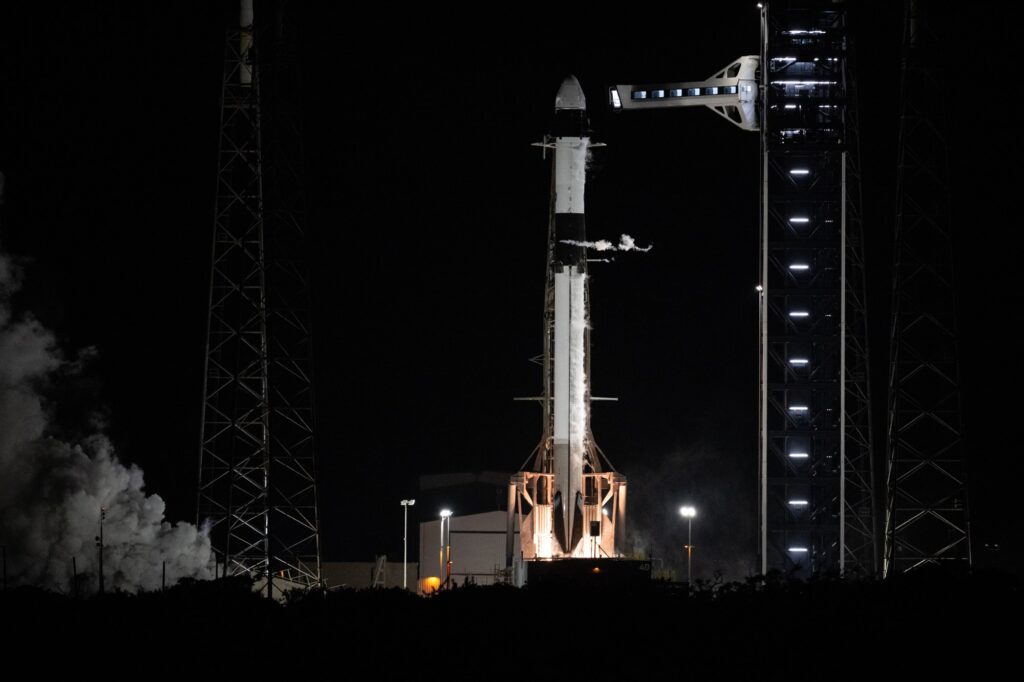
Oct 20, 22:14 UTC (6:14 p.m. EDT): Falcon 9, Starlink Group 15-15
A Falcon 9 is scheduled to lift off from Space Launch Complex 4E at Vandenberg Space Force Base, California, with a batch of 27 Starlink satellites for low Earth orbit. The status is Go.
Oct 21, 3:35 UTC: Ceres-1S, payload not announced
Galactic Energy is scheduled to fly a Ceres-1S from an offshore location off Rizhao, China, tied to the Haiyang Oriental Spaceport. The payload has not been announced. The status is Go.
Oct 21, 5:00 UTC (1:00 a.m. EDT): Electron, We’re Not Hawking Around
Rocket Lab’s Electron is scheduled to launch from Launch Complex 1 on the Mahia Peninsula, New Zealand, with three HawkEye 360 satellites bound for sun-synchronous orbit, a path that passes over any given spot at the same local time each day. HawkEye 360 builds satellites that detect radio-frequency signals to monitor ships, aircraft and other traffic. The status is still to be confirmed. Rocket Lab’s mission page is here, but it did not load for us, so the time rests on the tracker.
Oct 22, 2:57 UTC: Long March 8A, payload not announced
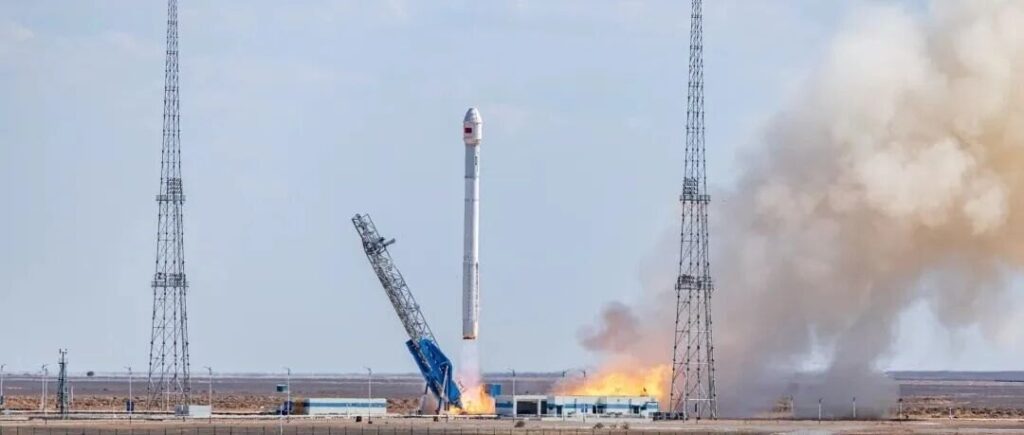
China Aerospace Science and Technology Corporation is scheduled to fly a Long March 8A from Commercial LC-1 at the Wenchang Space Launch Site. No payload has been announced. The status is Go.
Oct 23, 10:15 UTC: Long March 6A, payload not announced
A Long March 6A is scheduled to lift off from Launch Complex 9A at the Taiyuan Satellite Launch Center. The payload has not been announced. The status is Go.
Oct 23, 19:25 UTC: Long March 4B, payload not announced
A Long March 4B is scheduled to launch from Launch Area 94 at the Jiuquan Satellite Launch Center, with an unannounced payload. The status is Go.
Oct 24, 5:29 UTC (1:29 a.m. EDT): Falcon 9, Starlink Group 15-16
The week closes with another Falcon 9 from Vandenberg’s Space Launch Complex 4E, carrying 27 Starlink satellites. The status is Go.
MMX: A sample from Mars’ moon
According to ESA, JAXA leads MMX with NASA, CNES, DLR and ESA as partners. It aims to be the first mission to collect a sample from Phobos and return it to Earth. The launch window, the span of dates when the probe can still leave for Mars, runs until Nov 7, according to DLR, which leaves room for a delay.
The schedule published by ESA runs as follows: Mars orbit in August 2027, Phobos orbit from September 2027, release of the rover in early 2029, landing and sampling in 2030, and the return to Earth in 2031.
Landing on a moon with almost no gravity
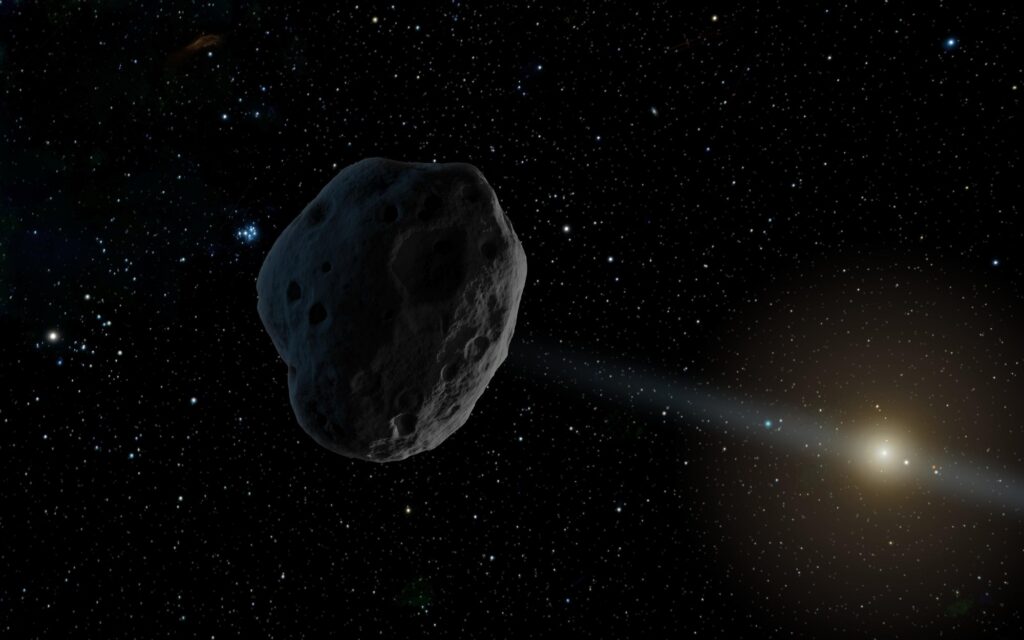
The engineering is hard because Phobos has almost no gravity. ESA says the 25 kg Idefix rover, built by France and Germany, would weigh only about 15 grams on the surface. DLR says it is released from about 40 m above Phobos and lands in free fall, so there is little room for error.
The mission also carries a lot of science. ESA lists 11 instruments, seven on the main spacecraft and four on the rover, and says MMX is to bring back at least 10 grams of Phobos material in a capsule that lands in Australia. Studying that sample could help answer how Mars’ moons formed. Because the sample does not return until 2031, this week’s launch is only the first step of a mission lasting years.