Menon and Kutryk to fit a new roll-out solar array to the station’s port truss
Mission managers have given the go for a roughly 6 hour 45 minute spacewalk, with Canadarm2 carrying the new array to its worksite on the station's port-side truss.

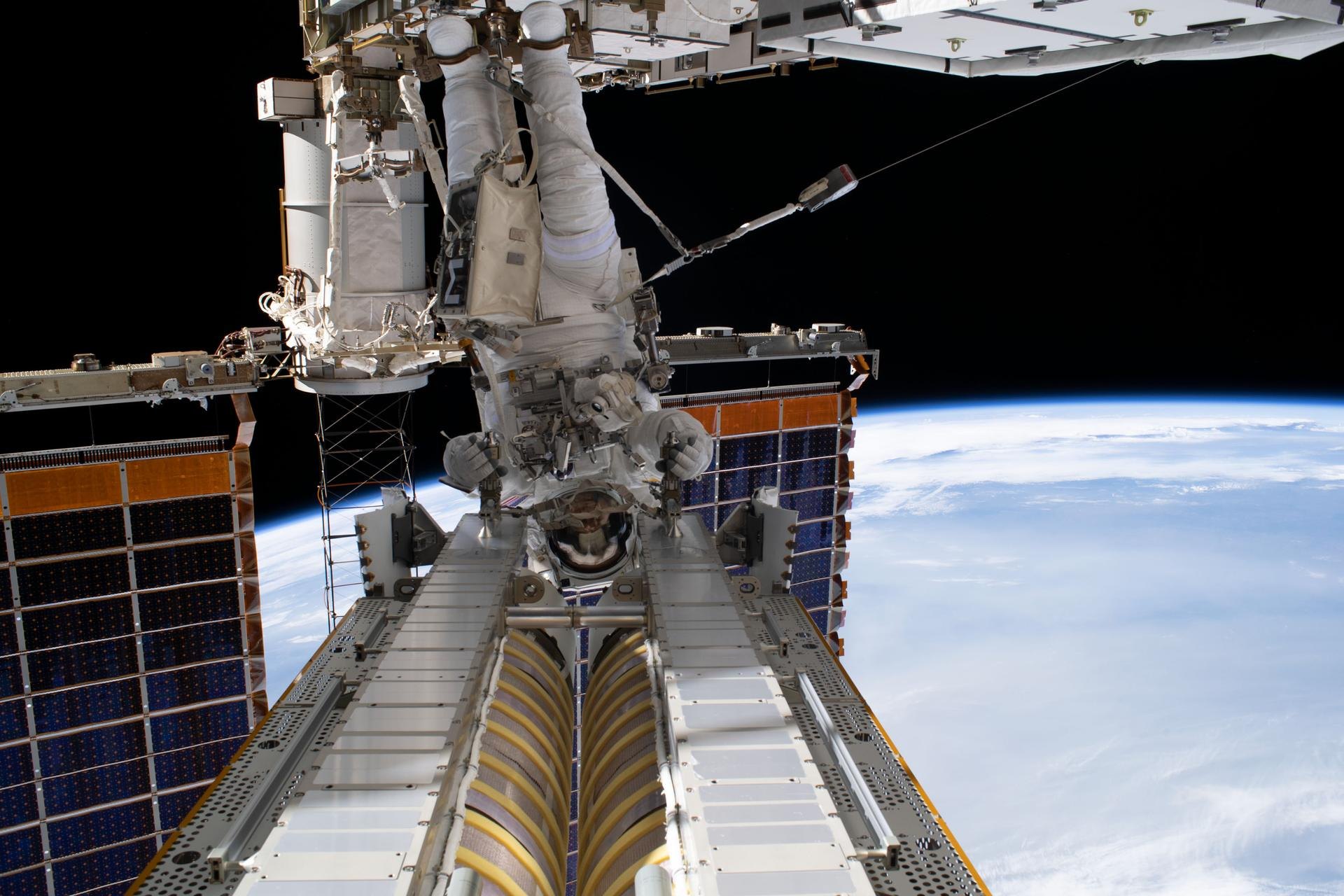
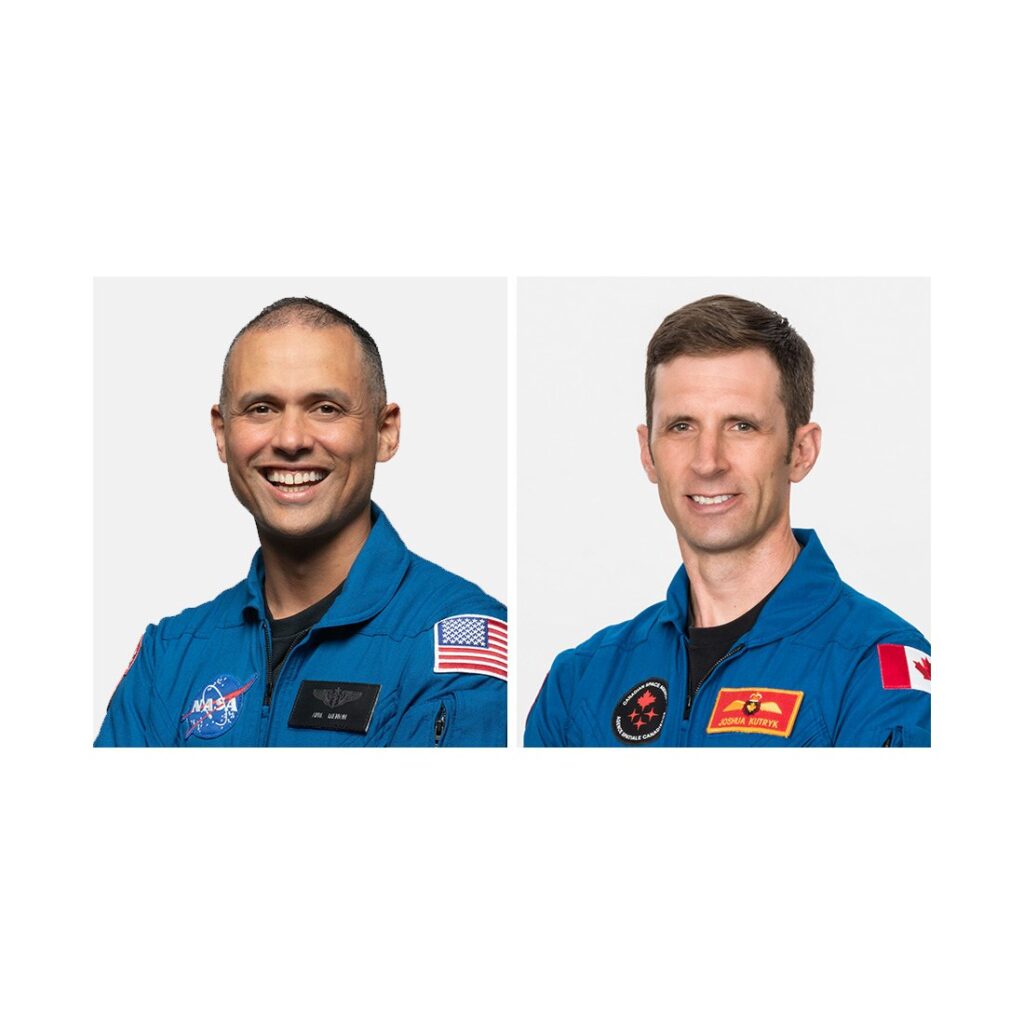
NASA mission managers have given the go for Thursday’s spacewalk outside the International Space Station, NASA said. Anil Menon and Joshua Kutryk will install a new roll-out solar array on the port-side truss, with spacesuits switching to battery power at 12:00 UTC (8 a.m. EDT).
Four steps from the storage platform to live power
The spacewalk is planned to last about six hours and 45 minutes. Menon is a NASA astronaut and Kutryk flies for the CSA (Canadian Space Agency); both are Expedition 75 flight engineers. NASA+ live coverage begins at 10:30 UTC (6:30 a.m. EDT).

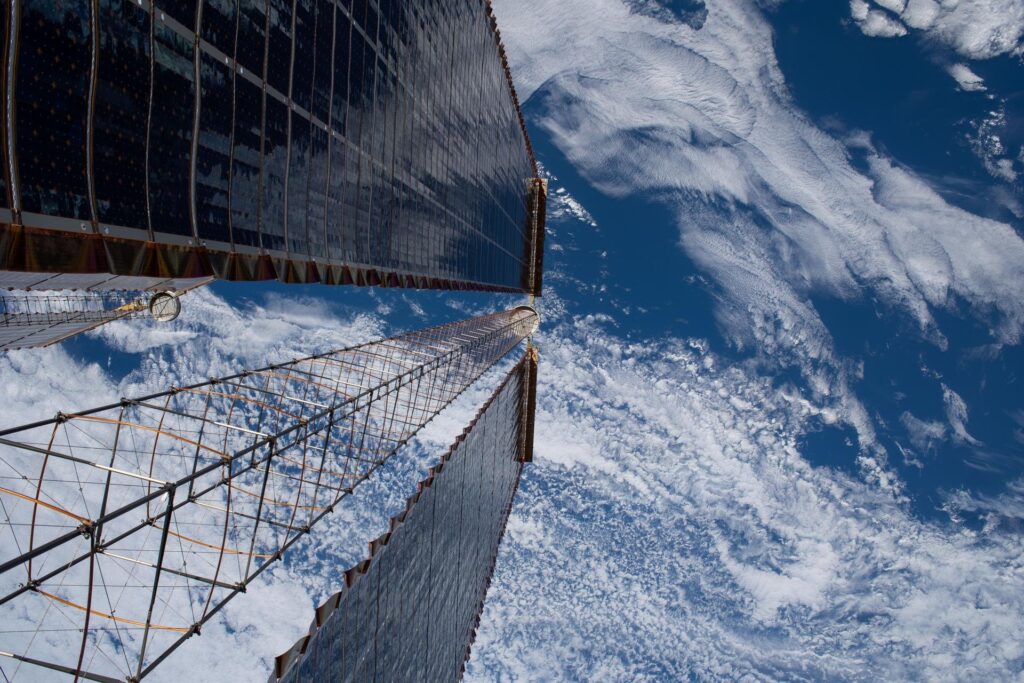
The work is laid out in a set order, according to NASA:
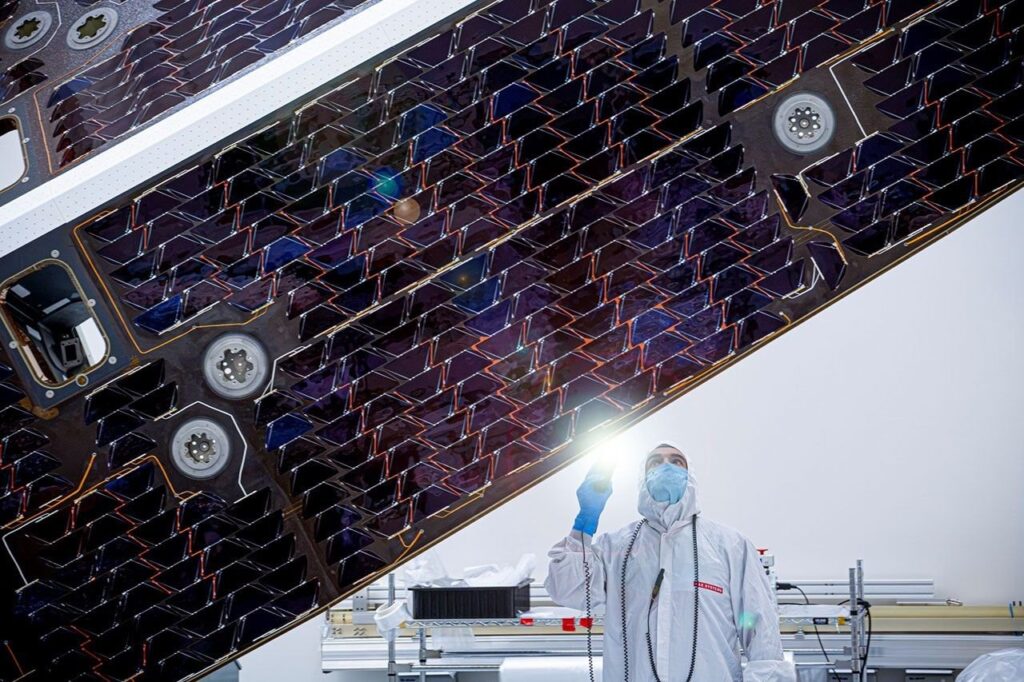
- The two unbolt the roll-out solar array from a temporary stowage platform.
- Menon rides the Canadarm2 robotic arm, carrying the array to the truss worksite. The truss is the long structural beam that holds the station’s solar wings and other equipment.
- Kutryk moves to the port truss on foot, tethered to the station, and joins Menon to finish the installation.
- Mission controllers on the ground remotely activate the array so it starts generating power.
We reported the date earlier in our preview of the Oct. 29 spacewalk, and covered Kutryk’s role in his first spacewalks.
A day of checks and a rehearsal for the robot arm
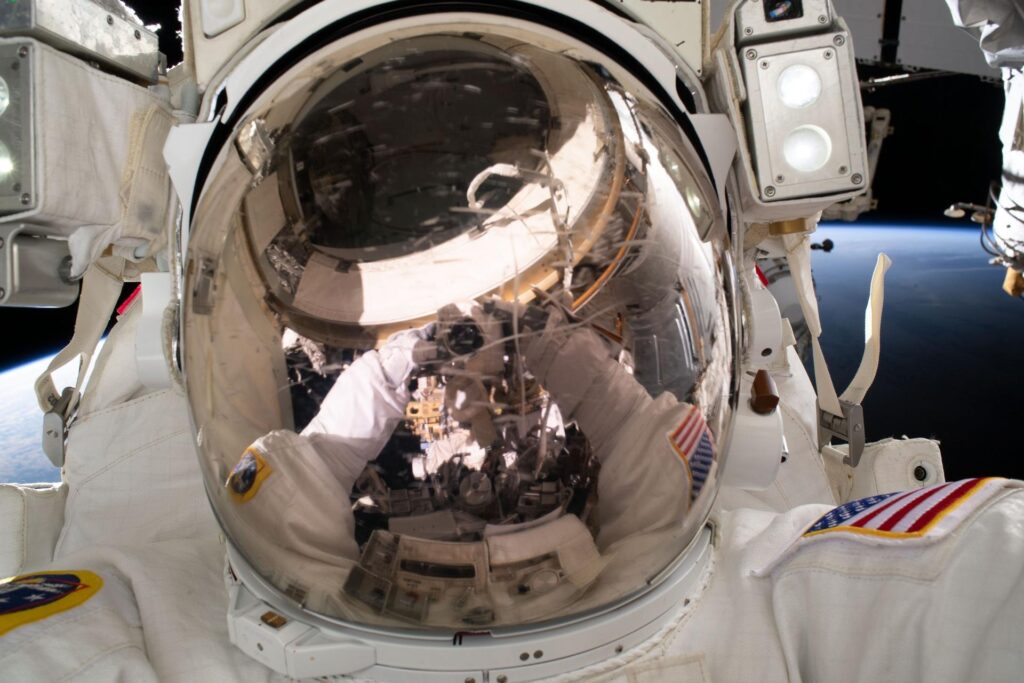
On Wednesday, Menon and Kutryk finished reviewing their procedures, then inspected the life support systems, communications gear and other parts of their spacesuits. After lunch they held a final spacewalk conference with specialists on the ground.
NASA flight engineers Jessica Watkins and Luke Delaney will monitor the spacewalkers and operate Canadarm2. To prepare, they studied the lighting conditions and camera locations on the station’s exterior. At the end of the shift all four astronauts met robotics engineers to discuss the arm operations planned for the spacewalk.

The three Roscosmos cosmonauts had a light day. Commander Pyotr Dubrov removed Earth-photography equipment that had captured Pacific and Atlantic Ocean landmarks overnight. Sergey Teteryatnikov set up another set for Pacific islands and South American glaciers, and Anna Kikina tested her fitness on the Zvezda module’s treadmill.
Why more power means more research
Roll-out arrays are not new to the station. NASA image records show that in June 2023 astronauts Stephen Bowen and Woody Hoburg installed one in spacewalks lasting five hours 35 minutes and six hours three minutes, with Bowen riding Canadarm2 to move the array to the Starboard-6 truss position. The same records describe a March 2026 spacewalk that built a modification kit for a future array on the station’s 2A power channel.
A power channel is one of the electrical circuits that carries solar output to the station’s systems. Every new array adds supply for the experiments and equipment that depend on it, which is the practical payoff for crews working on research on the space station. NASA has not said in this update how much power the new array will add, so that figure is still to come.
Commissioning is the last step, and it is done by ground controllers rather than the spacewalkers. Once the array is activated and producing power, the job will be complete.