Astronauts will rehearse Moon landings in a flight simulator at NASA Ames
NASA is showing reporters a new lunar landing simulation at Ames in California, built so crews can practice piloting commercial landers before the next Moon landing, targeted for 2028.

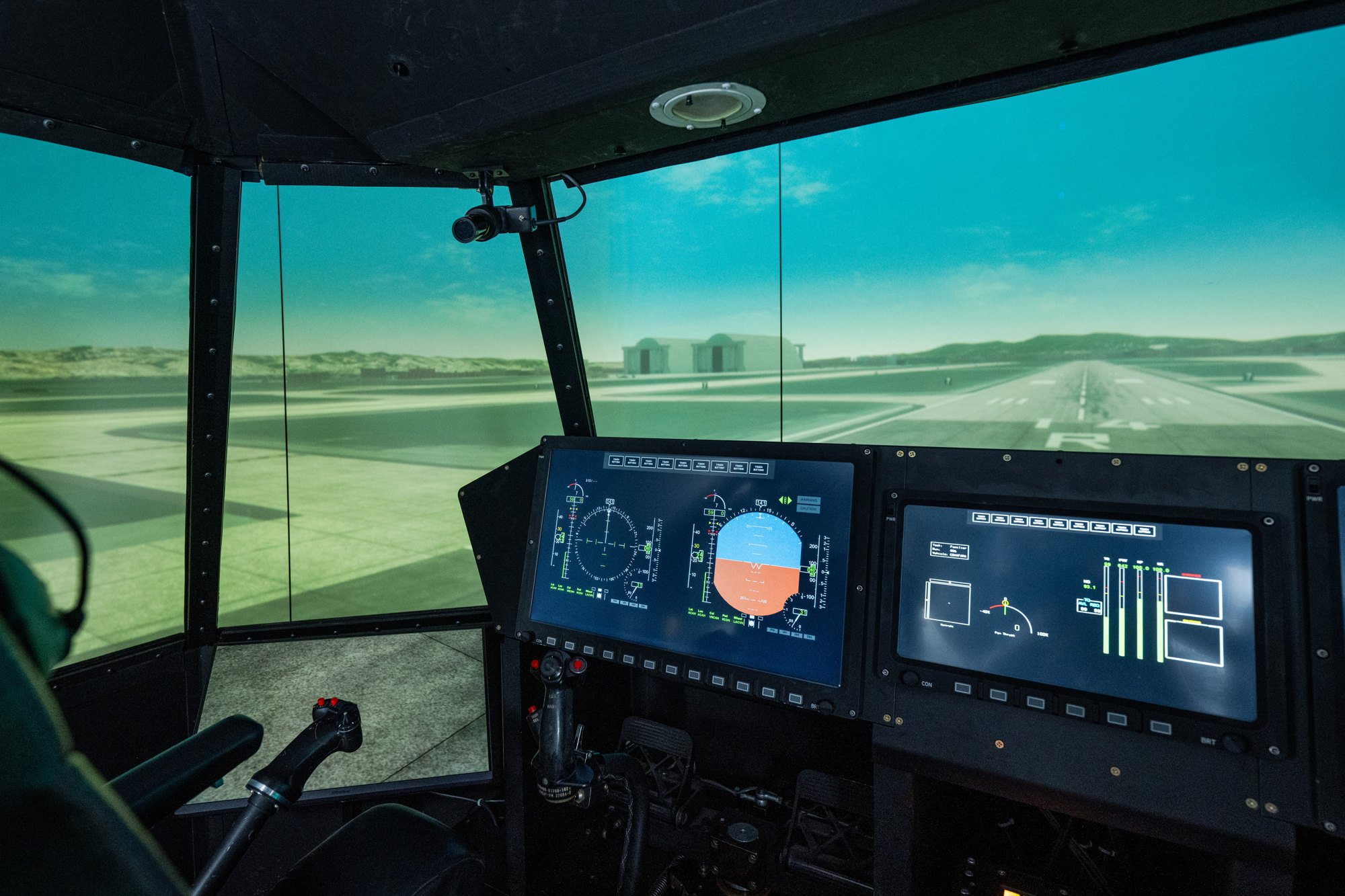
NASA is inviting reporters to tour a new lunar landing simulation at its Ames Research Center in California on Oct. 29 and 30, according to a media advisory. Astronauts will use it to practice before flying commercial landers to the Moon.
A ride-along in the Vertical Motion Simulator
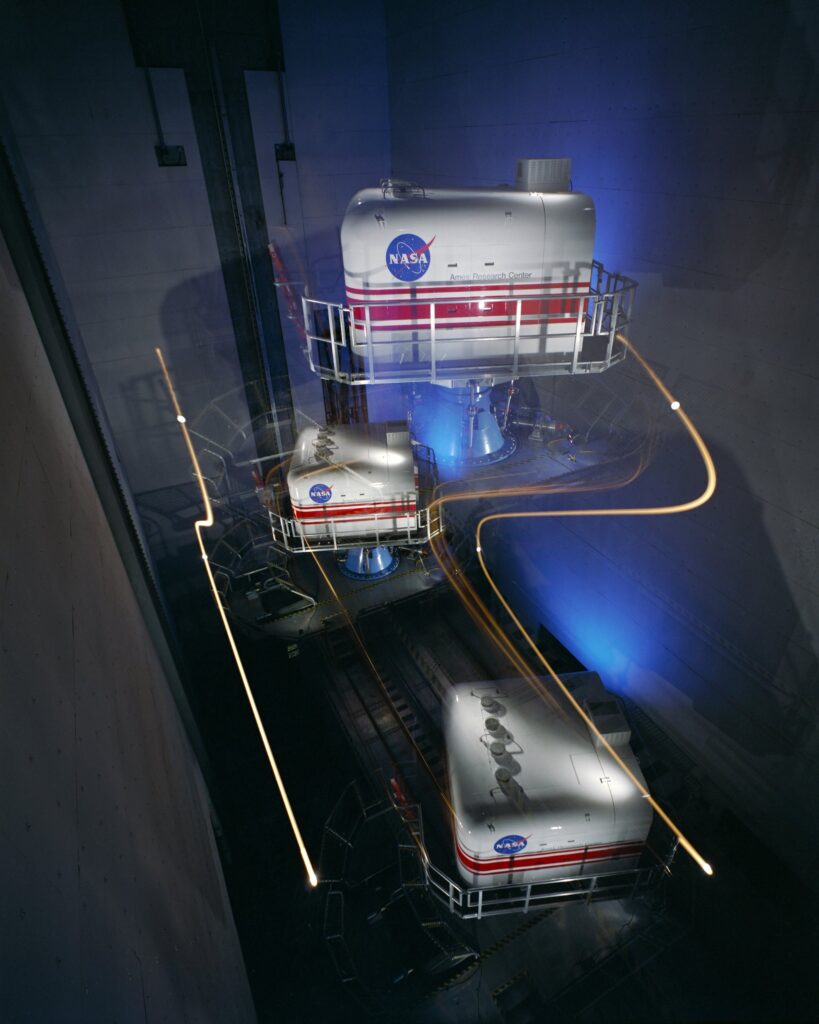
The tour is on Thursday, Oct. 29, and Friday, Oct. 30, at Ames in Silicon Valley. Journalists can take a ride-along in the Vertical Motion Simulator, a large machine that moves a cockpit to mimic the motion of a real vehicle, and can interview subject matter experts. Reporters have until 5:00 pm PT on Tuesday, Oct. 27, to register with the Ames newsroom, and space is limited.

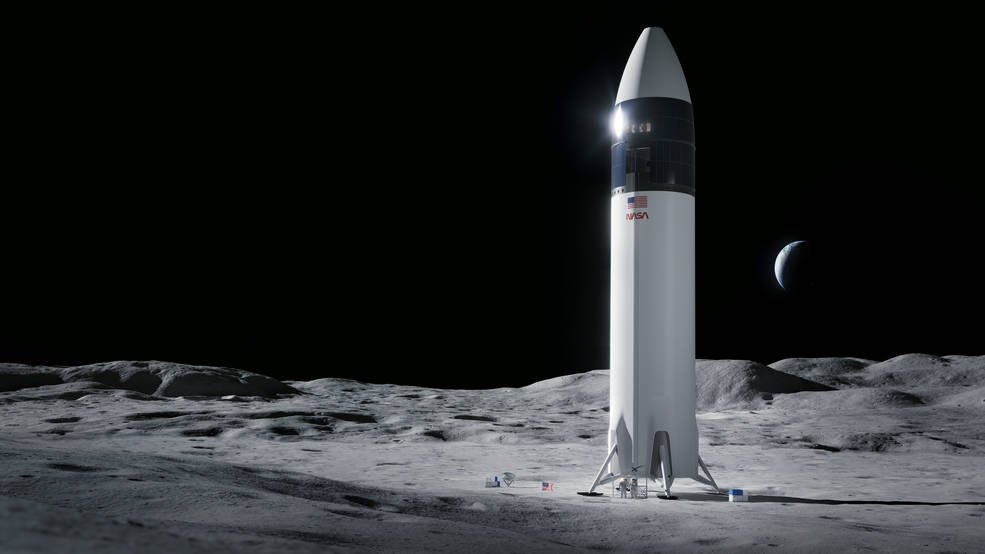
NASA says it is pairing simulators it runs itself with ones from partners, all of which move, so that astronauts and the engineers supporting them can feel a landing before crews fly commercial landers down to the lunar surface. A human landing system is the spacecraft that carries astronauts down from lunar orbit and back up again. The landing simulation at Ames was developed by NASA’s Johnson Space Center in Houston and built into the recently upgraded simulator flight deck.
NASA is targeting the next crewed lunar landing in 2028 under the Artemis program, and the agency says it will send Artemis astronauts to increasingly difficult sites near the lunar South Pole.

What the upgraded simulator can do
The simulator is not new. NASA describes the Vertical Motion Simulator as the largest of its kind in the world, operating at Ames since 1979, with 60 feet of vertical travel and 40 feet of horizontal travel. That movement lets a cab drop and sway the way a lander would during its final descent. NASA has used it for helicopters, spacecraft, lunar landers, air taxis and commercial aircraft.
What is new is the upgrade. In its description of the work, NASA says analog systems were replaced with digital ones and a new dome with 4K projectors gives a sharper, wider view. Lighter removable inserts for controls, seats and panels replace the heavy cab swaps of the past, which NASA says halves setup time. Diana Acosta, the aerospace simulation research and development branch chief, said the new configuration “can support far more aggressive mission tasks”.

Practice before the hardware flies
The simulator fits into a longer build-up. Artemis II, the first crewed flight around the Moon in the program, sent a crew past the Moon without landing. Landing is a different task: the pilot must judge speed and height and pick a safe spot to touch down in the last minutes of descent, and a simulator is a far cheaper place to make mistakes than the Moon.
NASA’s own mission plans show how much testing comes first. In an article published on Oct. 23, the agency said Artemis III is planned for 2027 as a 14-day test in low Earth orbit with a crew of four. Orion is to dock with test articles of Blue Origin’s Blue Moon Mark 2 and SpaceX’s Starship Version 3, with crewed landings near the South Pole following in 2028. The Ames work covers the step those orbital tests cannot: flying the descent itself.

The Vertical Motion Simulator has been in service since 1979, so crews will be rehearsing on a machine with more than four decades of flight-test use, now fitted with a modern display and cab.
Who will fly it, and what is still unannounced
The advisory gives no results from the simulation and no list of who will fly it. It does say reporters can request either day when they register, and it points to NASA’s media accreditation policy for the rules. The NASA contact for the event is Jeanne Neal at Ames.