Swift ends science after 21 years, with 2,000 gamma-ray bursts logged
NASA's Swift observatory made its final observation on Oct. 20 as atmospheric drag pulled it too low to point steadily. It is expected to re-enter within weeks.

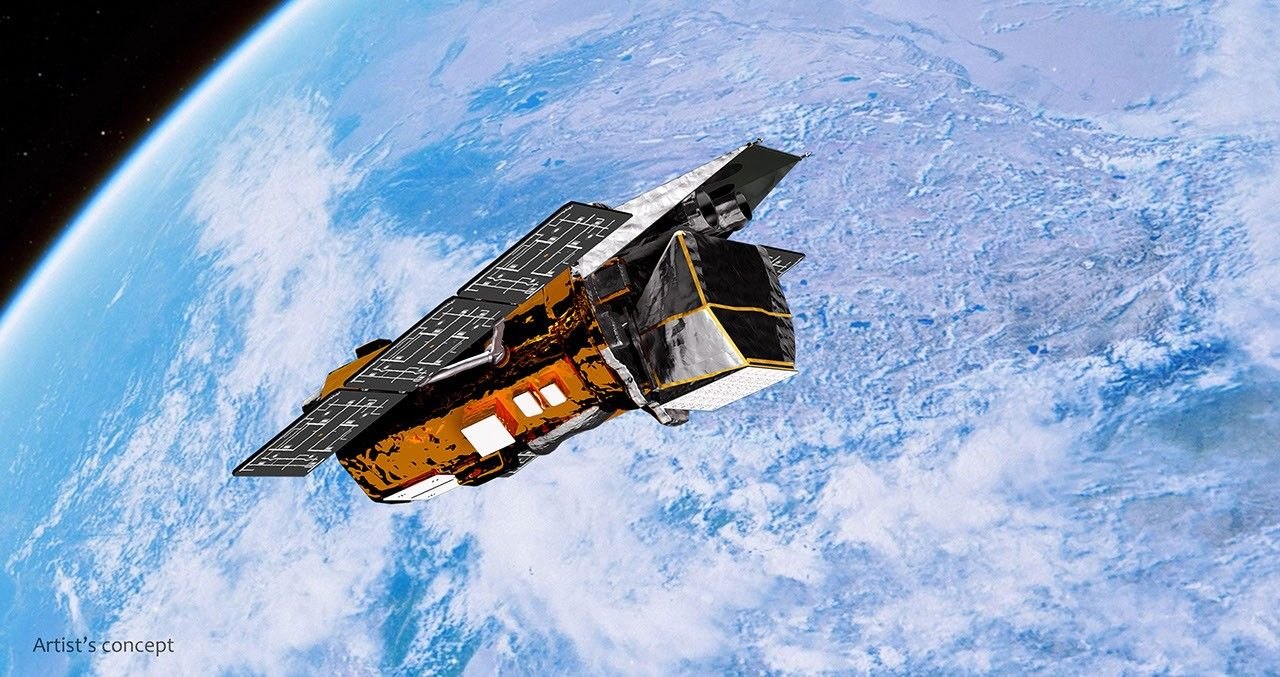
NASA’s Neil Gehrels Swift Observatory has ended its science mission. The spacecraft sank to less than 171 miles (275 kilometers) above Earth, where air drag stops its telescopes holding steady on a target. NASA said the last observation was on Oct. 20 and re-entry is expected within weeks.
Too low to point steadily
Satellites in low Earth orbit brush the thin upper atmosphere, which slowly drags them down. At 275 kilometers the drag is strong enough that Swift can no longer keep its telescopes stable on a distant source for the long exposures that astronomers need. NASA gave no exact re-entry date, only that it should come in the next few weeks.

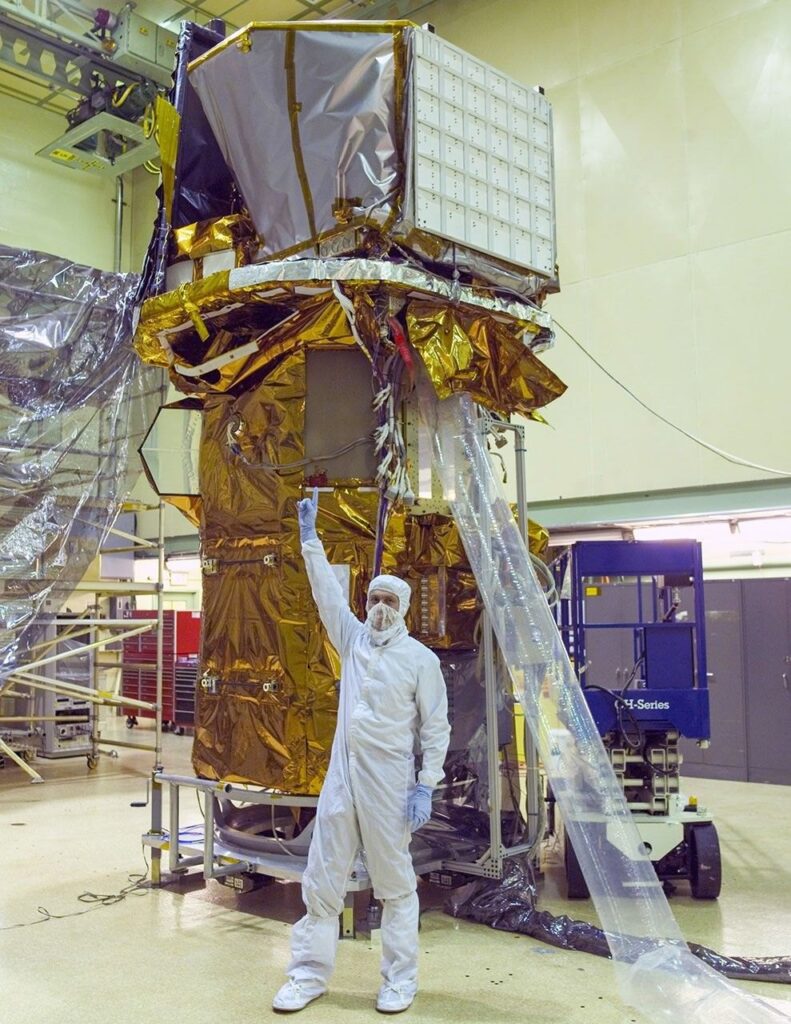
A companion NASA mission blog post adds how the end came. Rising solar activity increased atmospheric drag and Swift began sinking quickly. A servicing mission ended in August without trying to boost the observatory. The team restarted science on Aug. 28 after a pause meant to cut drag and prolong its time in orbit, but observing raised the drag again and the descent sped up. On Oct. 20 the spacecraft entered safe mode, a protective state in which it limits its own activity, at 275 kilometers. Operators at Penn State then sent a command that effectively ended operations and prepared it for re-entry.
A burst hunter that became a multitool
Swift launched on Nov. 20, 2004, to study gamma-ray bursts: the most powerful explosions in the cosmos, flashes that fade within moments. It carries X-ray and optical/ultraviolet telescopes lined up to look at the same patch of sky. When its detector spots a burst, the spacecraft works out the position, alerts other observatories and swings its telescopes around. According to mission principal investigator S. Bradley Cenko, this typically took about a minute.

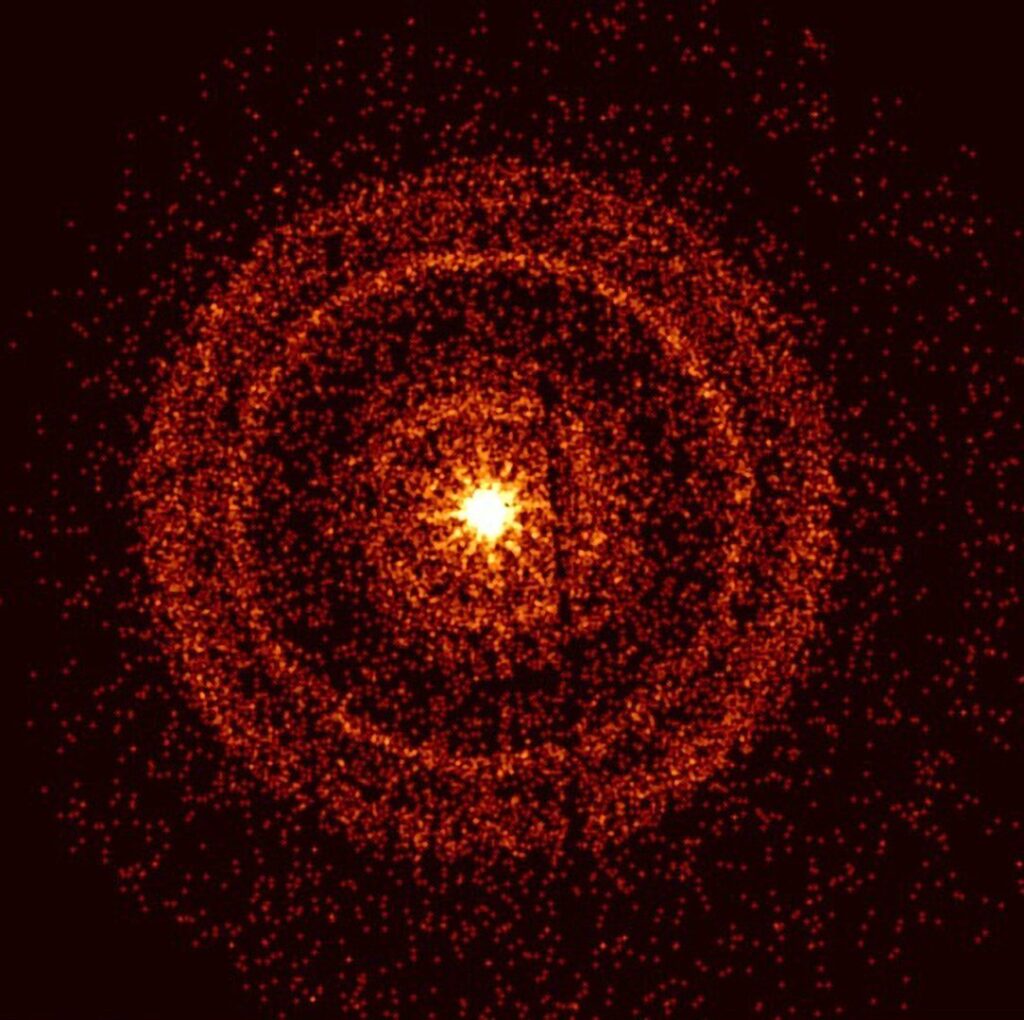
Speed paid off for short gamma-ray bursts, which reach peak brightness in under two seconds. In May 2005 Swift caught the afterglow of GRB 050509B, a burst of only 0.03 seconds, detecting 11 X-ray photons. NASA says this supported the idea that such bursts come from mergers of two neutron stars, the crushed cores of dead stars that hold about the Sun’s mass in a city-sized ball.
Over its career Swift observed more than 2,000 gamma-ray bursts and more than 1,400 supernovae. It also watched stars torn apart by black holes, monitored active galaxies, completed an all-sky X-ray survey and studied asteroids and comets. About 7,000 scientific papers have used its data. Its planning system could schedule up to 75 targets a day, with urgent requests commanded from the ground in a few minutes.
Ten times its planned lifetime
Swift was designed for a two-year primary mission. It worked for roughly 21 years after its first observations in December 2004, which is more than ten times the plan. NASA’s astrophysics director Shawn Domagal-Goldman said Swift “delivered an incredible, lasting return on investment for the nation.”
The longevity also explains the ending. The mission blog notes that the August restart of observing was a deliberate trade: each extra week of science was paid for in altitude, and the Sept. 25 post on NASA’s Swift page described powering on a third instrument and restarting automated slewing. The team kept the spacecraft working until drag made it unworkable, rather than retiring it early.
The scale of the legacy is also measurable. NASA says the public archive covers nearly 22 years of brightness records, multiwavelength spectra and more than 1.5 million images from the Ultraviolet/Optical Telescope. In total it comes to about 12 terabytes, which NASA compares to about 600 high-definition movies.
Filling the gap Swift leaves
The loss matters because few other telescopes can turn to a new burst within minutes. Domagal-Goldman said NASA is exploring how to use and augment its existing space telescopes for rapid response, from fast-to-orbit commercial capabilities to efficient new missions. NASA said it will keep prioritizing new options and will use current missions to cover the gap in the meantime.